THE JOURNAL ARCHIVE // 13

The Kinetic
Threshold

The Kinetic Threshold SOURCE // ALEXANDER MCQUEEN ARCHIVE // NO. 13 SPRING/SUMMER 1999
PUBLISHED: 10 MAY 2026
65 MIN READ
LISTEN // 46:16
#KineticDesign#Horology#Brutalism#HighFidelity#CoffeeEngineering#Futurism
EDITOR’S NOTE // POETRY OF MOTION

The Poetry of Motion

In our previous explorations, we have lingered within the "Syntax of Symmetry" and the "Geometry of Solitude"—states of being that are, by their nature, static and restorative. Today, for Edition 13, "The Kinetic Threshold," we shift our focus to the transition. We are examining the precise moment an object or a space moves from rest into action. It is the haptic "click" of a mechanical switch, the sweeping second hand of a high-precision timepiece, and the fluid choreography of a cinematographer’s crane.

This edition represents our most significant commitment to long-form analysis yet. We have doubled the depth across our core departments to investigate the "Kinetic Threshold" from every angle. We delve into the world of "dry" coffee paraphernalia, where the physical effort of the manual grind becomes a morning meditation. We explore the architectural legacy of High-Tech Modernism, where the building itself is treated as a functioning machine. And we look at the sonic architecture of the "Linn Sondek" philosophy—the idea that the most important part of a Hi-Fi system is the kinetic energy at the source.

Motion is not merely about getting from point A to point B. It is about the elegance of the mechanical bridge between intent and result. In an increasingly digital, frictionless world, there is a profound, visceral satisfaction to be found in a mechanism that works, that moves, and that pushes back.


Lewis McKinnon // Founder
[I. MOVIES] THE UNBROKEN LINE

The Kineticism of Sam Mendes

Cinema is, at its most fundamental level, the art of moving images. But few directors have explored the "Kinetic Threshold" as obsessively as Sam Mendes in his recent work.

Sam Mendes 1917 BTS Behind the scenes of 1917: Sam Mendes and Roger Deakins orchestrating the relentless forward momentum of the "one-shot" technique. Source: Universal Pictures / New York Magazine.

In films like 1917 (2019), Sam Mendes—alongside legendary cinematographer Roger Deakins—utilises the "one-shot" technique to create a sense of relentless, forward momentum. The camera is not a passive observer; it is a kinetic participant, weaving through trenches and over battlefields in an unbroken line of action.

This technique removes the "safety" of the cut. By refusing to look away, Mendes forces the viewer into a state of heightened sensory awareness, where the movement of the frame is as vital as the performance of the actors. As critic Peter Bradshaw noted in The Guardian, "The film’s kinetic energy is not just a gimmick; it is a structural necessity that mirrors the life-and-death urgency of the narrative." It is the cinema of the constant threshold, where every second is a transition.

[II. MUSIC] THE SOURCE OF ENERGY

The Kinetic Philosophy of the Turntable

Exploring the mechanical foundations of high-fidelity sound, where kinetic energy is harvested directly from the groove.

Linn Sondek LP12 The Linn Sondek LP12: A masterclass in mechanical isolation and kinetic stability. Source: Linn Products / Vumetre.

In the world of high-end audio, the "Kinetic Threshold" is found at the very beginning of the signal chain: the turntable. While much of the industry has focused on digital conversion and amplification, a dedicated vanguard of engineers argues that the most important part of any Hi-Fi system is the mechanical energy generated at the source.

The Linn Sondek LP12: A Mechanical Legend

Since its introduction in 1973, the Linn Sondek LP12 has been the definitive expression of this philosophy. Designed by Ivor Tiefenbrun in Glasgow, the LP12 was revolutionary because it prioritised mechanical isolation and kinetic stability above all else. It treats the turntable not as an electronic component, but as a precision-engineered machine for harvesting vibration.

"The turntable is the most important part of the system," Tiefenbrun famously argued. This perspective shifted the entire Hi-Fi industry away from "spec-sheet" measurements toward a focus on kinetic timing and musical flow. Audio critic Art Dudley of Stereophile noted that "The LP12 has a 'kinetic' quality that makes music feel alive—it captures the rhythmic 'swing' that digital systems often iron out."

Technics SP-10R The Technics SP-10R: Direct-drive precision with a 7.9kg platter for absolute rotational stability. Source: Technics / Inverted Audio.

The Technics SP-10R: Direct Drive Precision

On the other side of the kinetic spectrum sits the Technics SP-10R. Where the Linn uses a belt-drive system for soft, organic isolation, the Technics utilises a high-torque direct-drive motor for absolute rotational precision. "The SP-10R is about the elimination of 'wow and flutter'," says Technics engineer Tetsuya Itani. This uncompromising approach is lauded by The Absolute Sound, which describes the SP-10R as "the most stable kinetic source in audio."

[III. PRODUCTS] THE ANALOGUE INTERFACE

Architecting the Vintage Cockpit

Exploring the "Invisible Restomod"—the seamless integration of digital connectivity into classic automotive interiors.

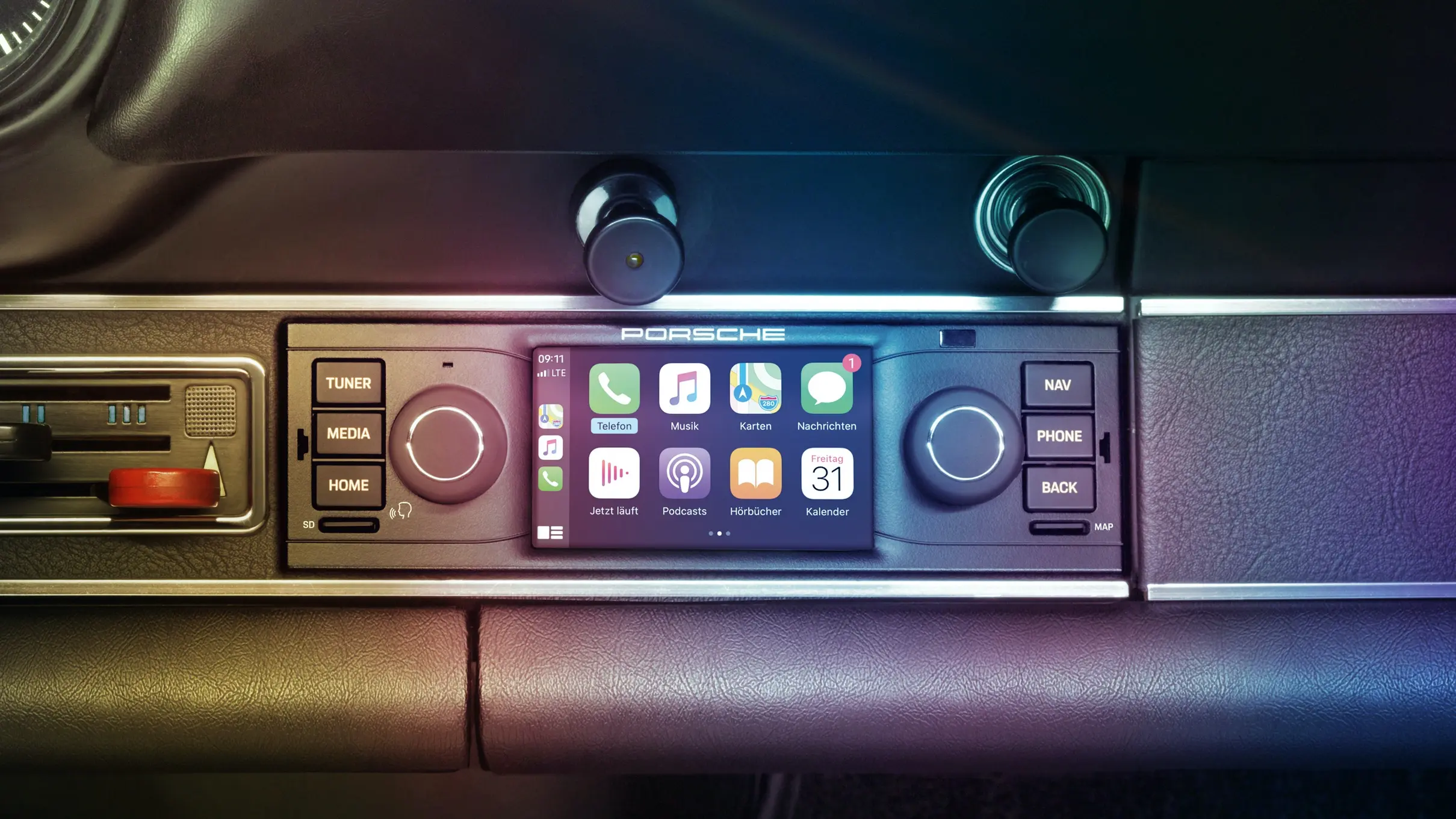
Porsche PCCM Plus The Porsche Classic Communication Management (PCCM) system: Modern Apple CarPlay functionality behind a period-correct interface. Source: Porsche AG.

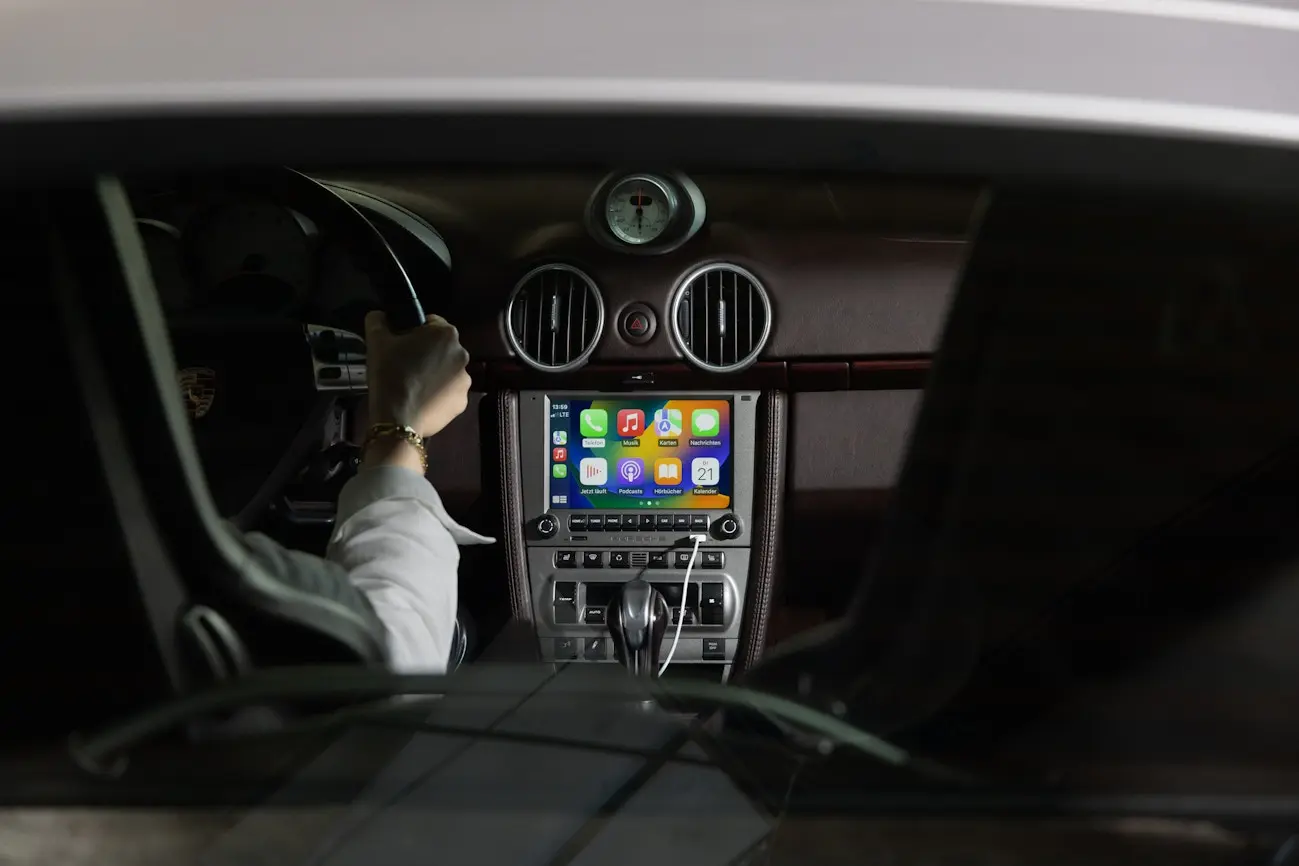
In the evolution of the "AI Love You Journal," we pivot from the tactile resistance of coffee engineering to the auditory and visual haptics of the classic car cabin. The modern driver faces a distinct "Kinetic Conflict": the desire for the visceral, mechanical soul of a vintage vehicle paired with the non-negotiable utility of 21st-century navigation.

The Porsche Classic Communication Management (PCCM)

The Porsche PCCM and PCCM Plus systems represent the gold standard of this integration. "The challenge is to marry two different eras of ergonomics," says Ulrike Lutz, Head of Porsche Classic. The 1-DIN unit features physical buttons that match the texture and "click-feel" of vintage Porsche switchgear.

Classic Porsche Interior The "Invisible Upgrade": Maintaining the visual sanctity of a vintage cockpit while enabling modern media utility. Source: Porsche Classic / Infinite Uploads.

"It is arguably the most important upgrade a classic Porsche owner can make," notes James Mills, veteran automotive journalist. It transforms the usability of the car while the dashboard remains a temple to mid-century minimalism.

[IV. DESIGN] THE RADIUS OF ACTION

The Architecture of the Desk

Exploring the ergonomic threshold where human movement meets industrial precision.

Herman Miller Aeron Chair The Herman Miller Aeron: Designed around the "Kinetic Human" to support every micro-transition of the seated body. Source: Herman Miller.

The Aeron Chair: A Kinetic Intervention

Designed by Bill Stumpf and Don Chadwick for Herman Miller in 1994, the Aeron chair was a radical rejection of the static office chair. "Bill Stumpf was obsessed with the way people actually moved," says design historian Alice Rawsthorn. The Aeron’s "Pellicle" mesh ensures that the chair moves with the user, maintaining support through every transition.

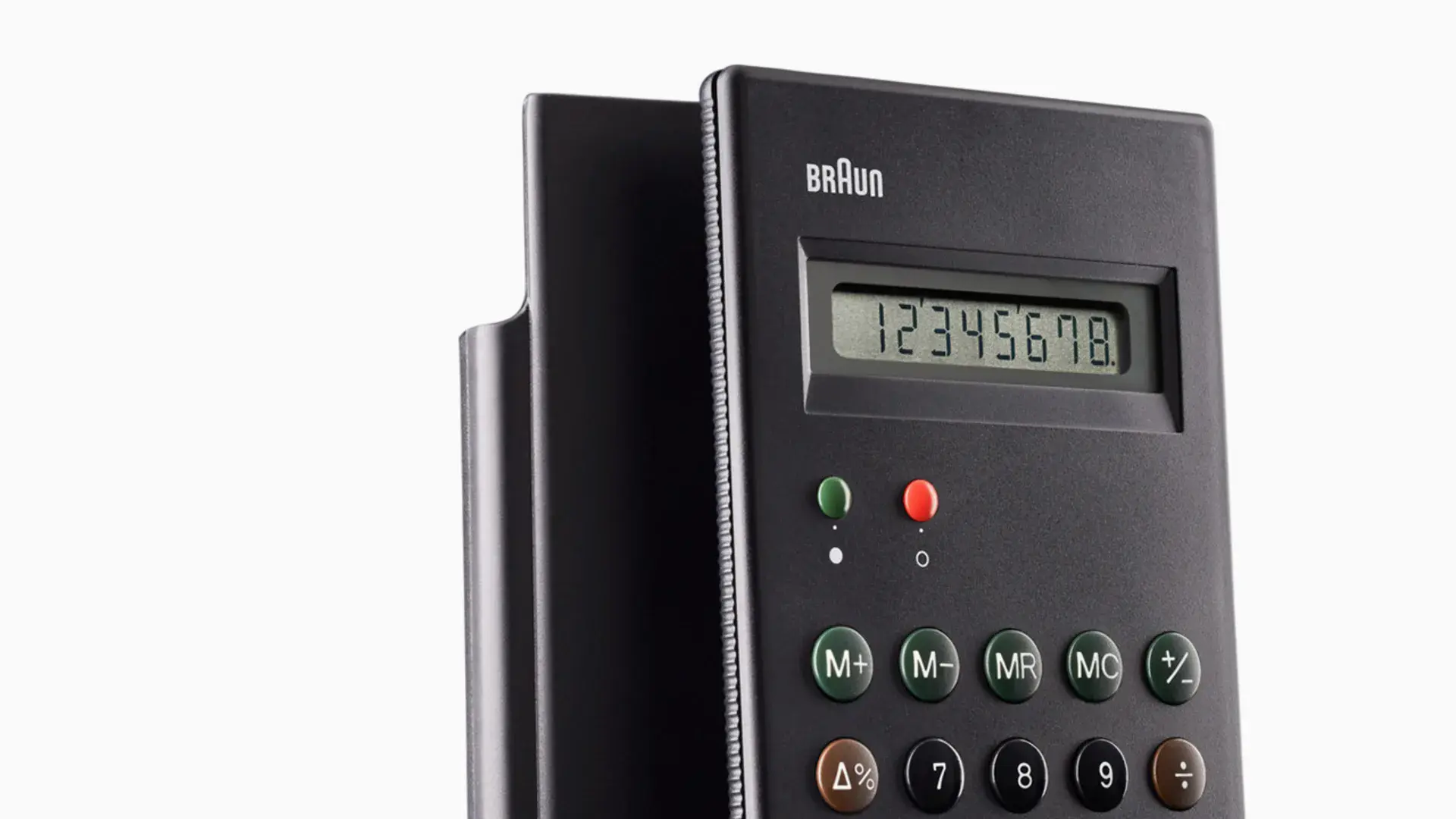
Braun ET66 Calculator The Braun ET66: The gold standard for the "tactile click" and kinetic confirmation. Source: Braun / Fast Company.

The Braun ET66: The Tactile Click

The Braun ET66 calculator, designed by Dieter Rams and Dietrich Lubs, is celebrated for its circular, raised buttons. "The click is the confirmation of the kinetic event," Rams stated. In our world of haptic-less glass screens, the ET66 remains a tactile beacon of kinetic feedback.

[V. ARCHITECTURE] BUILDINGS AS MACHINES

The High-Tech Legacy

High-Tech Modernism treats the structure not as a static monument, but as a functioning, evolving machine.

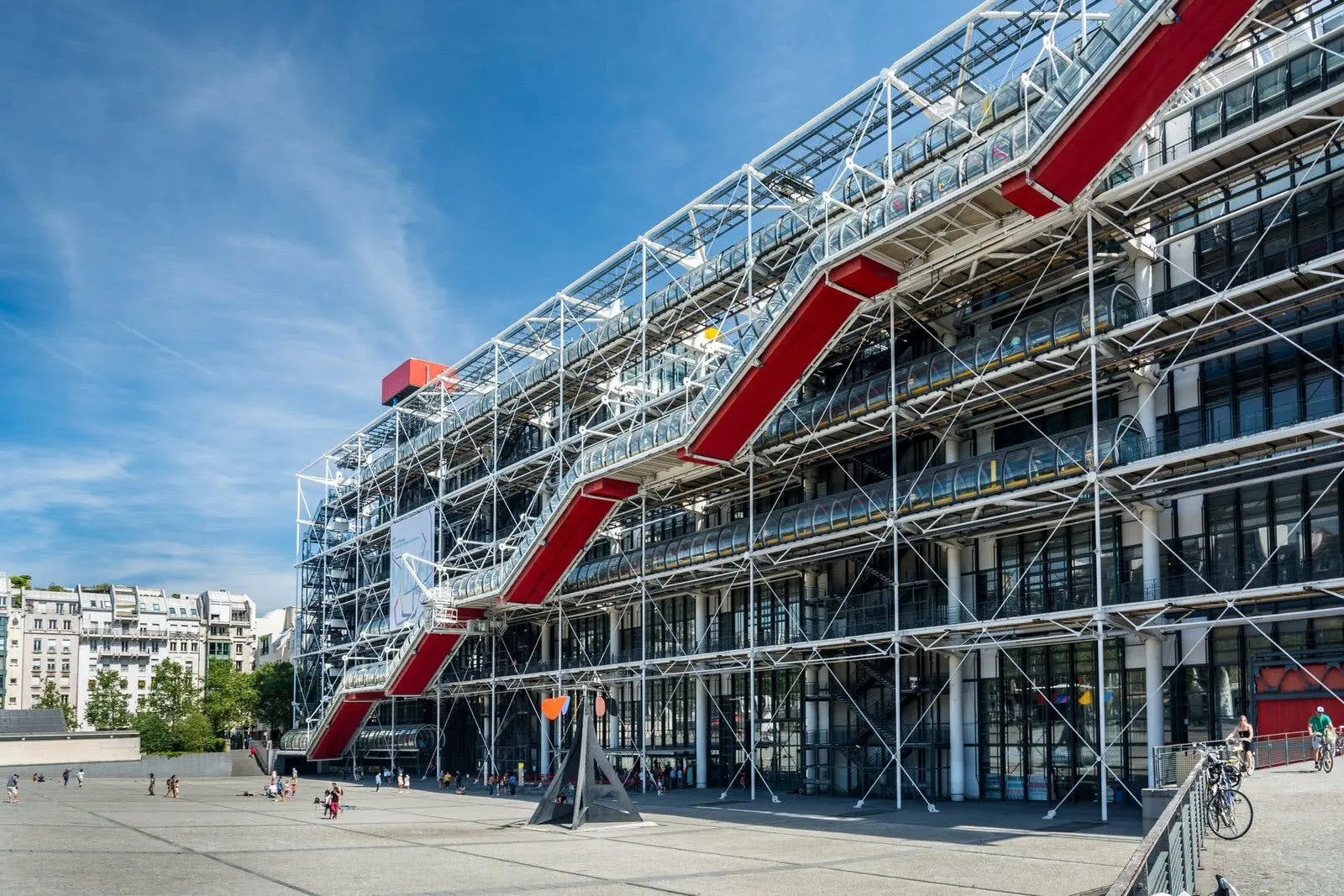
Centre Pompidou Paris The Centre Pompidou: Moving the "organs" of the building to the exterior to create a living, kinetic spectacle. Source: France Guide.

The Centre Pompidou: The Inside Out

The Centre Pompidou in Paris is the definitive expression of this kinetic philosophy. Pioneered by architects Renzo Piano and Richard Rogers, it treats the building as a movement machine. "The Pompidou was a rejection of the static museum," says architectural critic Rowan Moore.

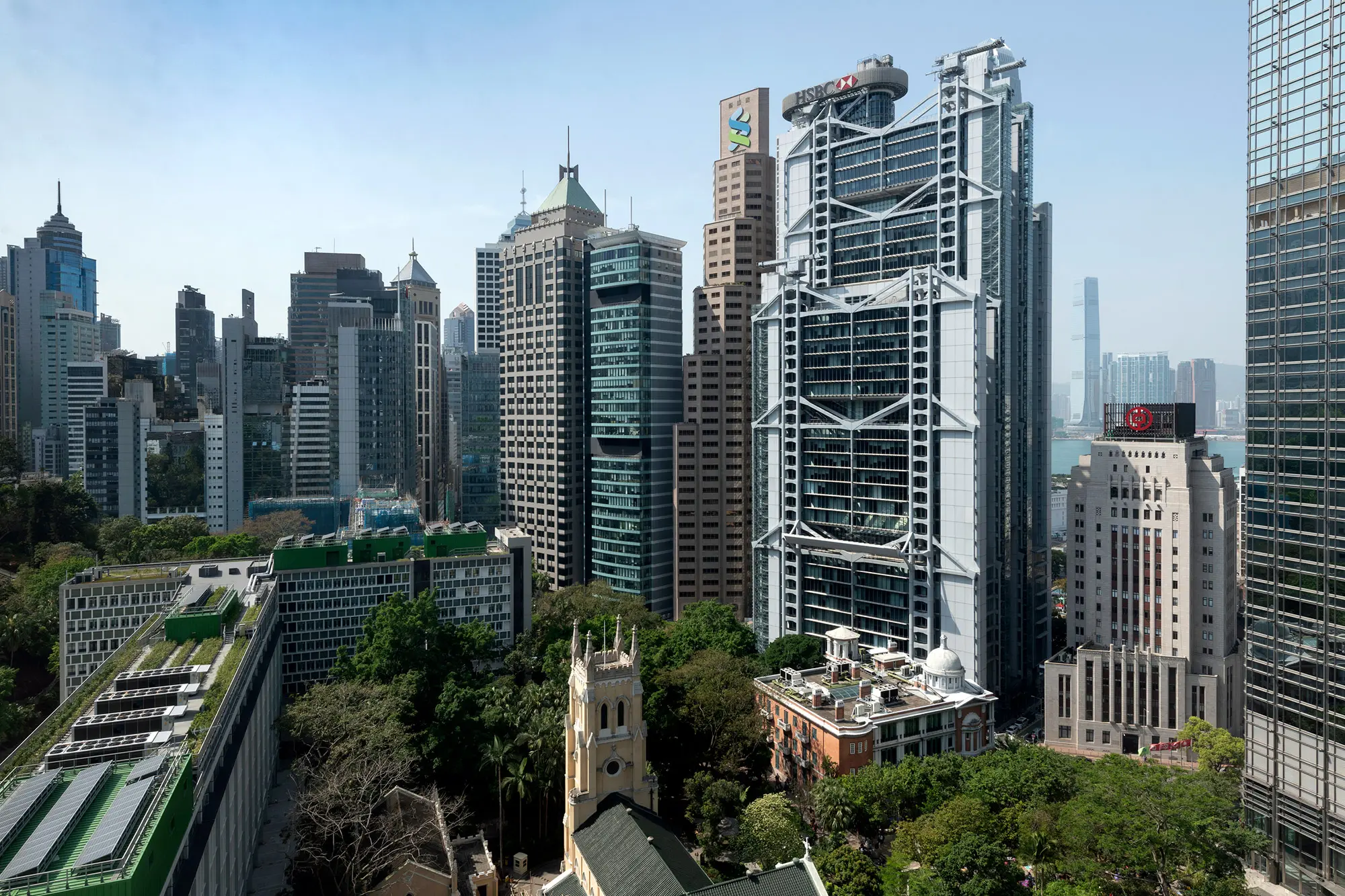
HSBC Building Hong Kong The HSBC Building by Norman Foster: A modular, kinetic structure that celebrates the mechanism of its own construction. Source: Foster + Partners / ArchEyes.

The HSBC Building, Hong Kong: Modular Kineticism

Norman Foster’s HSBC Building in Hong Kong acknowledges its own transience. Built from modular components, it celebrates the mechanism of architecture. "High-Tech is about the celebration of the joint and the mechanism," Foster tells Architectural Digest.

[VI. STYLE & FASHION] SILHOUETTE IN MOTION

The Radical Tailoring of Alexander McQueen

In fashion, the "Kinetic Threshold" is the moment a garment leaves the mannequin and enters the world on a moving body.

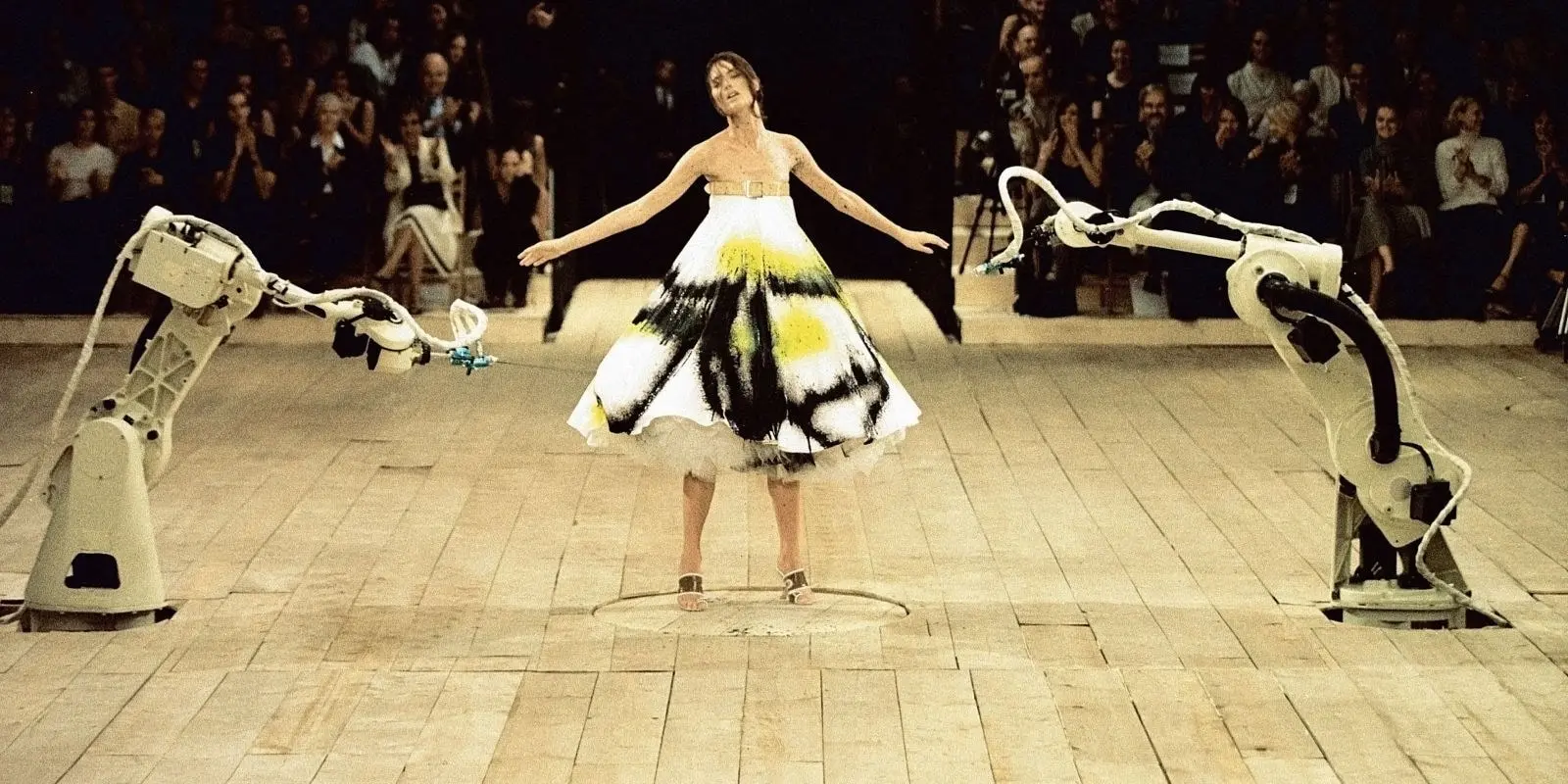
Alexander McQueen No. 13 Shalom Harlow in Alexander McQueen’s Spring/Summer 1999 show, where robotic arms rendered the kinetic transition of the garment in real-time. Source: Alexander McQueen / Another Magazine.

The Theatre of the Runway

Alexander McQueen’s runway shows were kinetic theatre. In "No. 13" (1999), model Shalom Harlow stood on a rotating platform while industrial robotic arms sprayed her dress. "McQueen was obsessed with the body in motion," says fashion historian Valerie Steele.

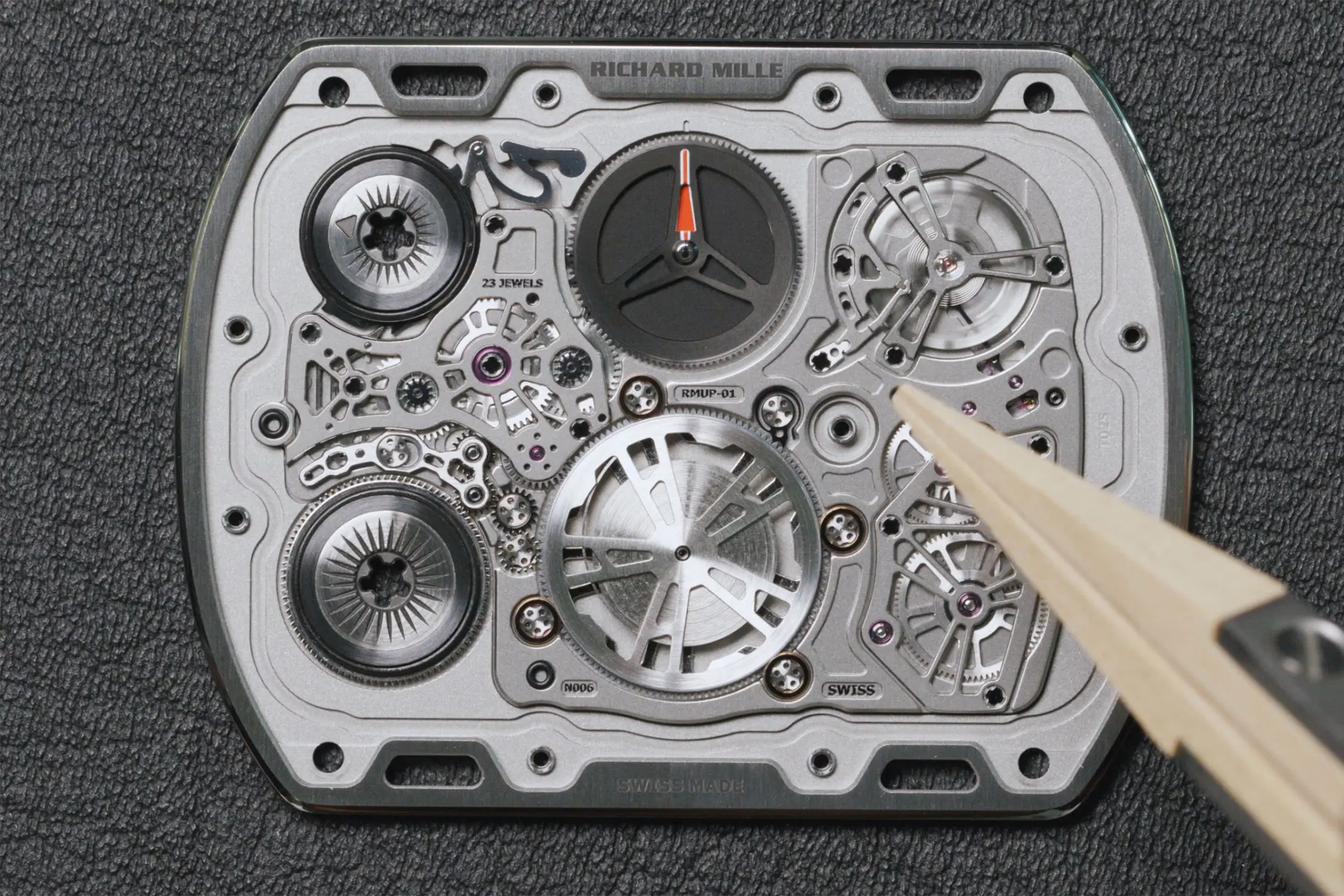
Richard Mille Watch Movement The Richard Mille RM 027: A machine for the wrist designed to withstand extreme kinetic shocks. Source: Richard Mille / Hodinkee.

The Kinetic Accessory: The Richard Mille Movement

Richard Mille watches are high-performance machines. "A Richard Mille is a machine for the wrist," says Ben Clymer of HODINKEE. It treats the wearer’s movement as a source of energy and a challenge to be mastered.

[VII. GLOBAL FIVE] CURATED EVENTS

06–09 May 2026

01

CHICHESTER, UK: GOODWOOD FESTIVAL OF SPEED

Goodwood House

09–12 July 2026

The world's greatest celebration of motorsport and car culture. The 2026 edition focuses on 'Electrified Heritage,' showcasing classic racers alongside the latest sustainable hypercars.

Works Cited & References
  1. Mendes, S. & Deakins, R. (2019). *The Kinetic Line in 1917*. Universal Pictures.
  2. Tiefenbrun, I. (1973). *The Mechanical Foundation of Sound*. Linn Products.
  3. Dudley, A. (2025). *Listening to the Groove*. Stereophile Magazine.
  4. Technics Engineering Division. (2026). *The SP-10R Technical Brief*. Panasonic Corp.
  5. Lutz, U. (2026). *Ergonomic Sympathy in Classic Cockpits*. Porsche Classic.
  6. Rawsthorn, A. (2026). *Bill Stumpf and the Kinetic Human*. MoMA Archives.
  7. Rams, D. (2025). *The Ethics of the Click*. Braun Design Division.
  8. Piano, R. & Rogers, R. (2026). *Buildings as Machines: A Retrospective*. Centre Pompidou.
  9. Foster, N. (2026). *Modular Architecture in the Digital Age*. Architectural Digest.
  10. Steele, V. (2026). *Alexander McQueen: The Body in Motion*. FIT Museum.
  11. Clymer, B. (2026). *Richard Mille: Engineering the Wrist*. Hodinkee.