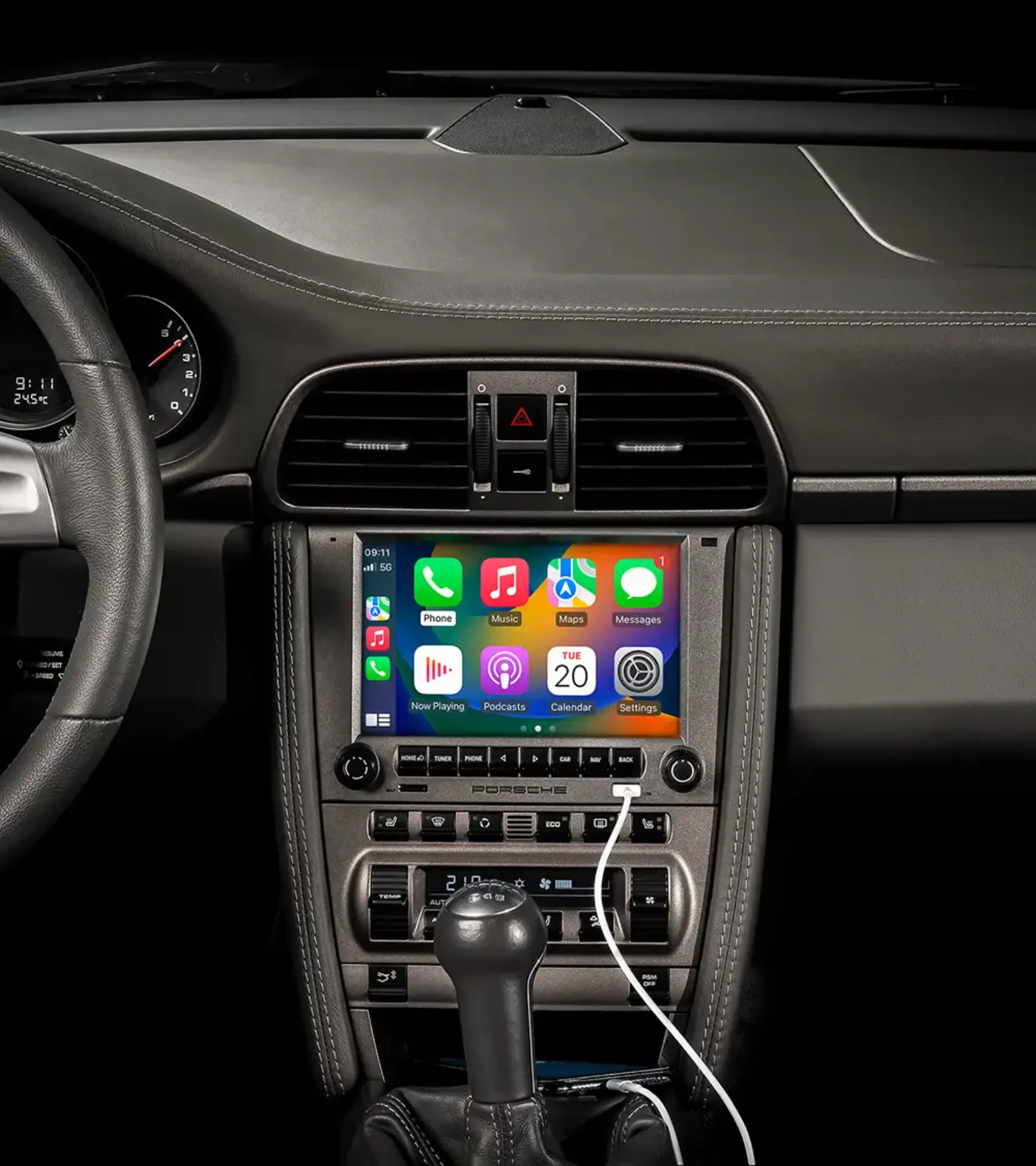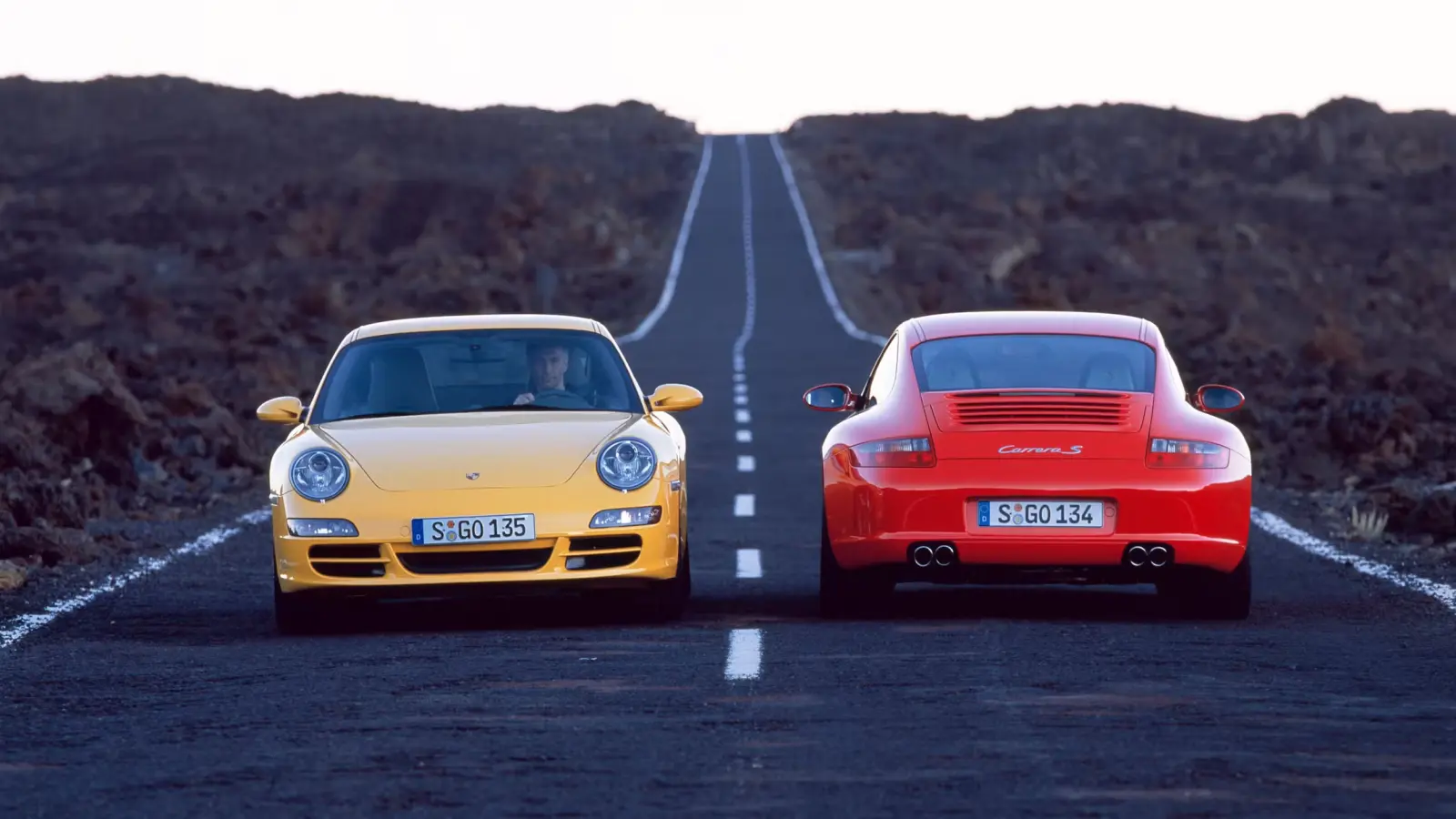
In Edition 13, "The Kinetic Threshold," we lingered on the mechanical bridge between intent and result — the click of a switch, the sweep of a second hand. Buried inside that edition, almost as an aside, was a single story about a Porsche Classic head unit: a device built to smuggle Apple CarPlay into a car that predates the smartphone, without disturbing a single switch on the dashboard. It turned out to be the seed of this entire edition.
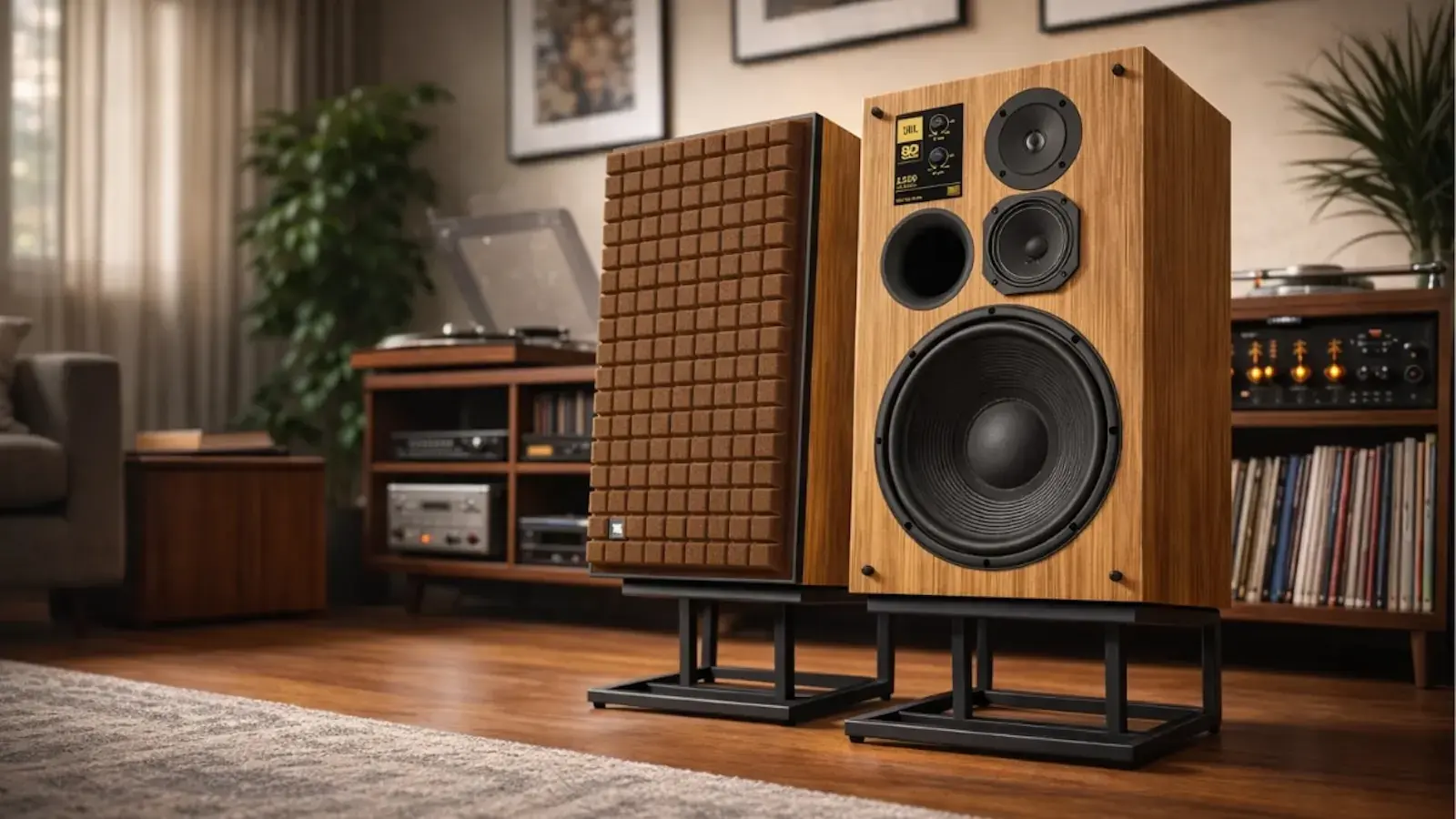
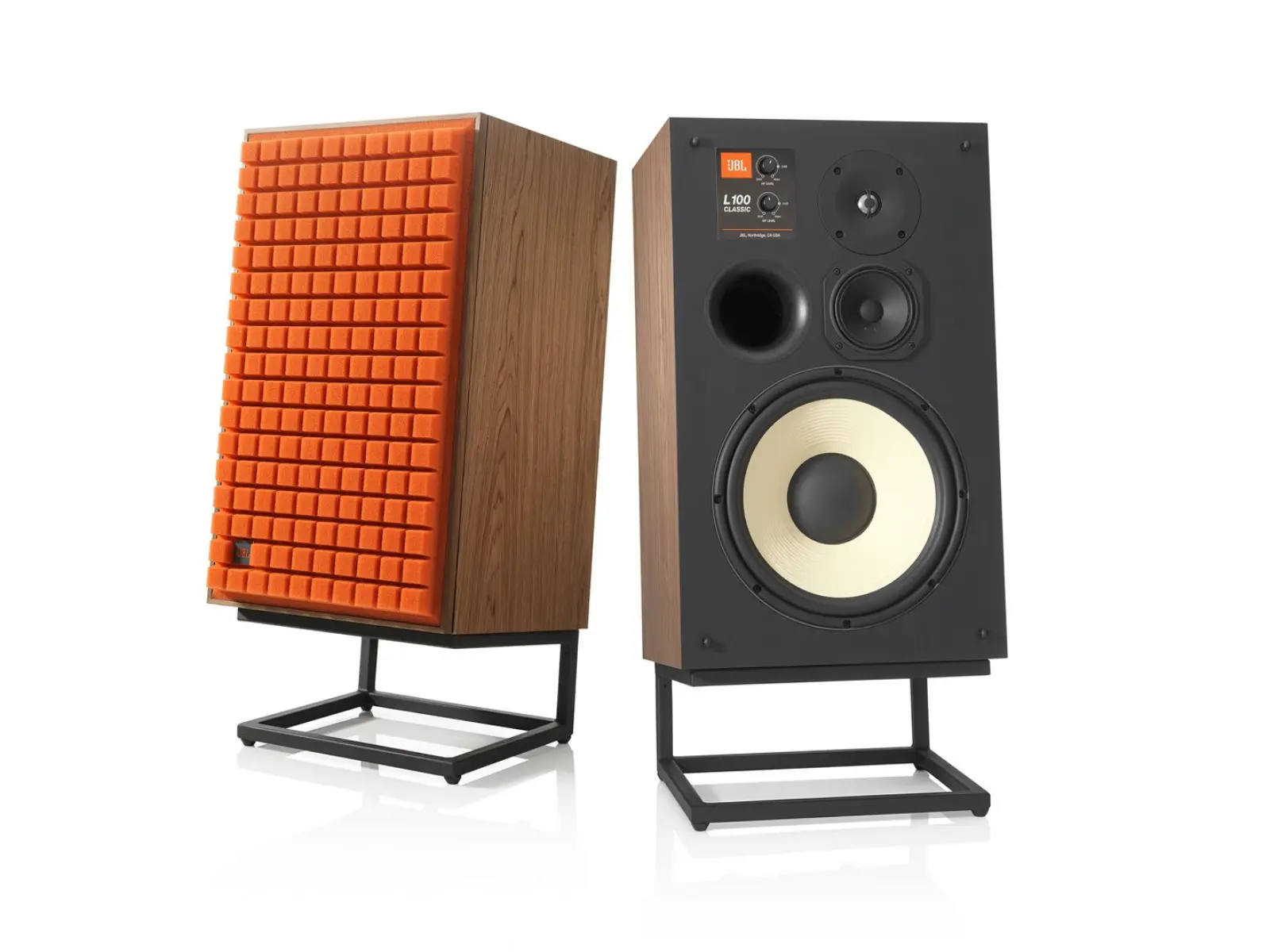
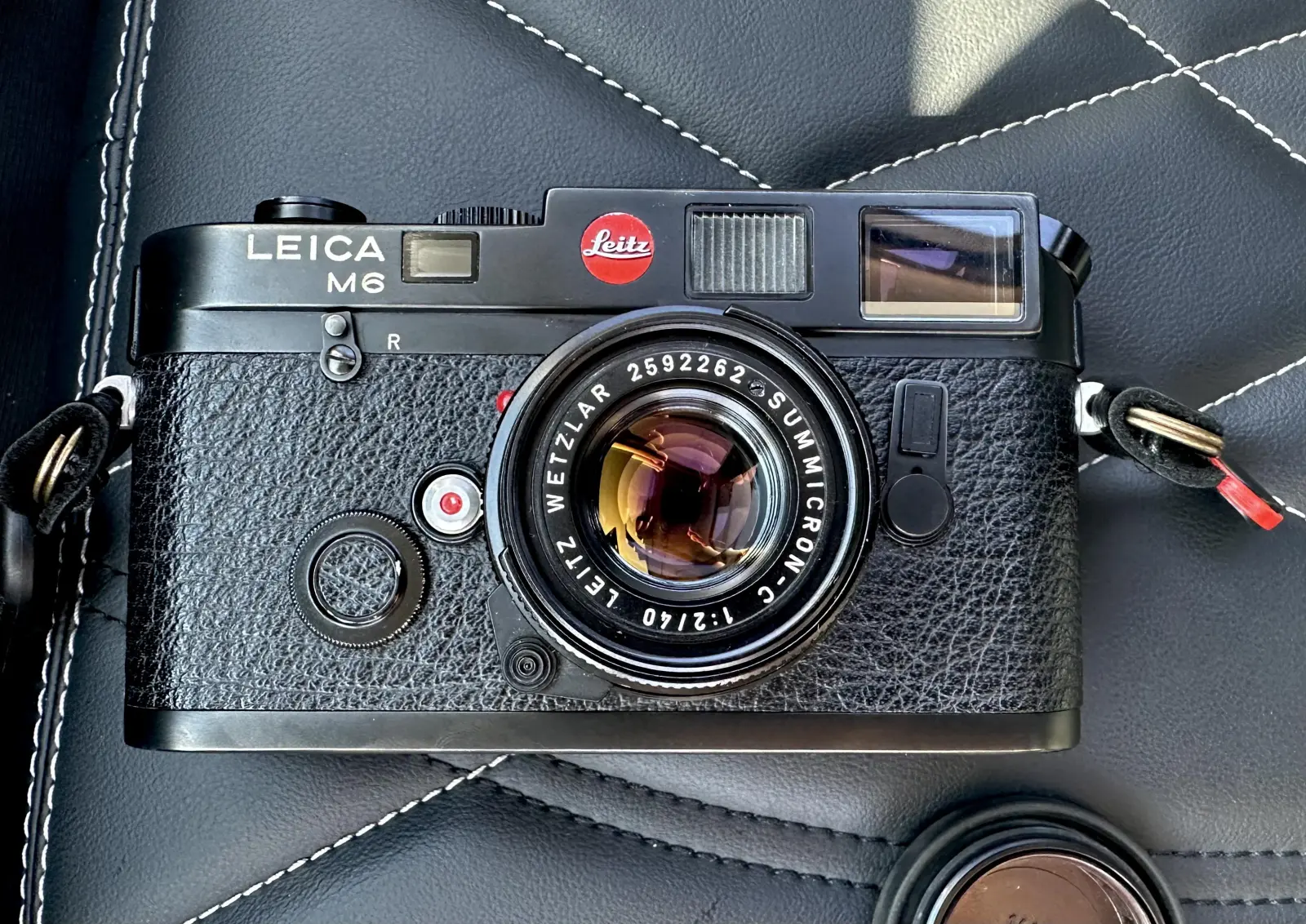
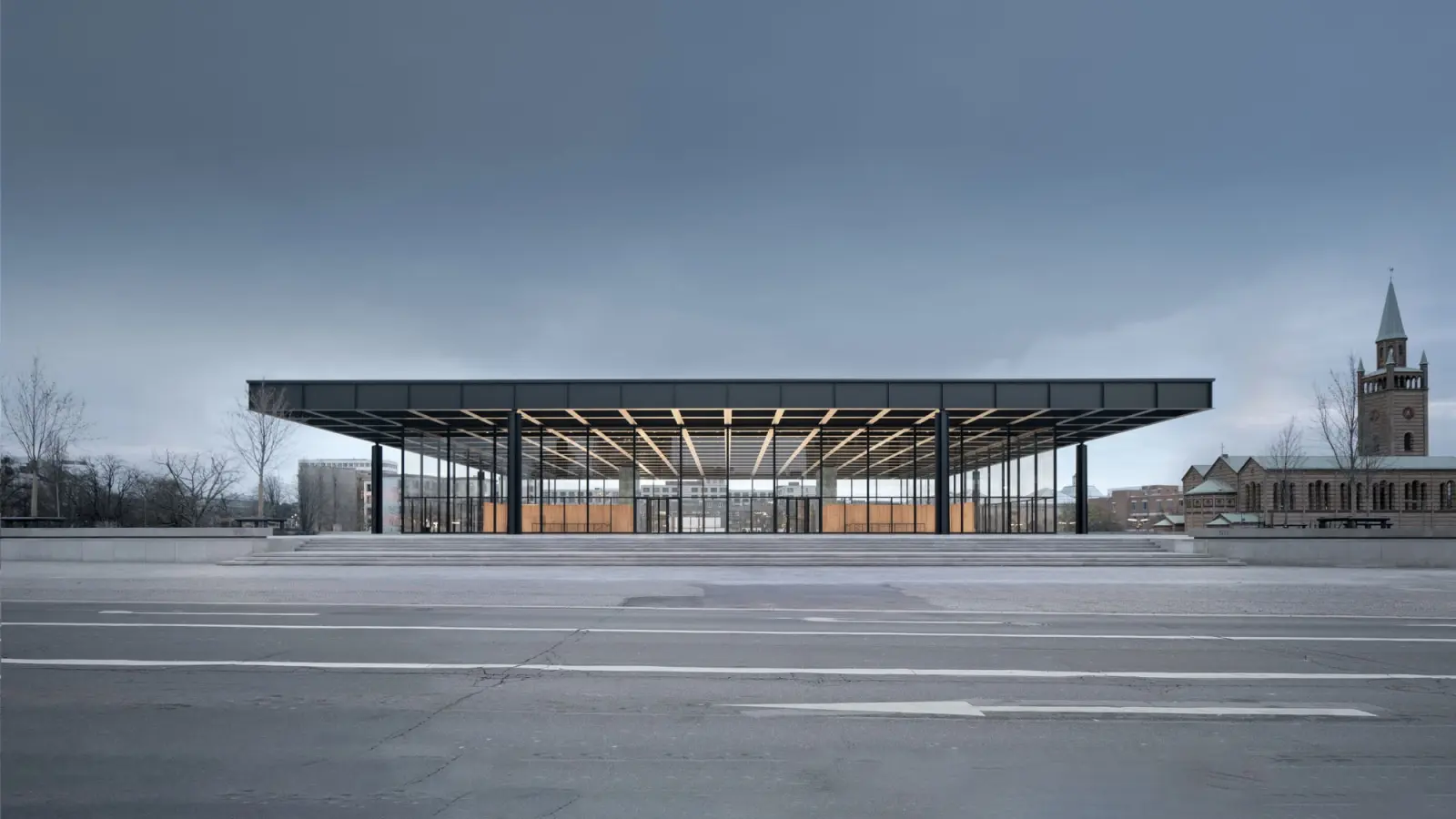
For Edition 14, "The Modern Classic," we have pulled that thread. Every object here is defined by the same negotiation: something built to a pre-digital standard of craft, that has been allowed — carefully, sometimes reluctantly — to acquire a modern convenience without losing the thing that made it worth keeping in the first place. A camera with a brass top-plate and no autofocus. A speaker cabinet unchanged since 1970. A car with hydraulic steering built the year before the industry moved to electric assistance for good. A gallery building treated less like a museum piece and more like "a beloved patient," as its restoring architect put it, "returned seemingly untouched except for it running more smoothly."
None of these are nostalgia objects. Nostalgia looks backward. What interests us is the opposite gesture: taking something whole and correct from an earlier era and asking the minimum necessary of the present to keep it useful. It is a compromise, and like all good compromises, both sides have to give something up. That tension — between the object's original discipline and its modern accommodation — is, we think, the whole story of what makes something a modern classic rather than simply an old one.