We spend an inordinate amount of our lives trying to remove friction. We pay premiums for next-day delivery, we utilise algorithms that predict our tastes before we even articulate them, and we interface with the world through smooth, featureless glass rectangles. The overarching promise of the 21st century has been one of seamless integration: a life where intent and execution are practically simultaneous.
Yet, as we curated the pieces for this inaugural edition of the AI Love You Journal, a persistent, counter-intuitive theme emerged. In an era that idolises the effortless, there is a profound, growing hunger for the difficult. We are seeking out the tactile, the analogue, and the heavy. We are looking for things that push back.
This issue, which we have loosely anchored around the concept of "Analogue Precision & Tactile Living," explores this desire. It is an examination of why, when given the option of infinite ease, we sometimes choose the path of deliberate resistance.
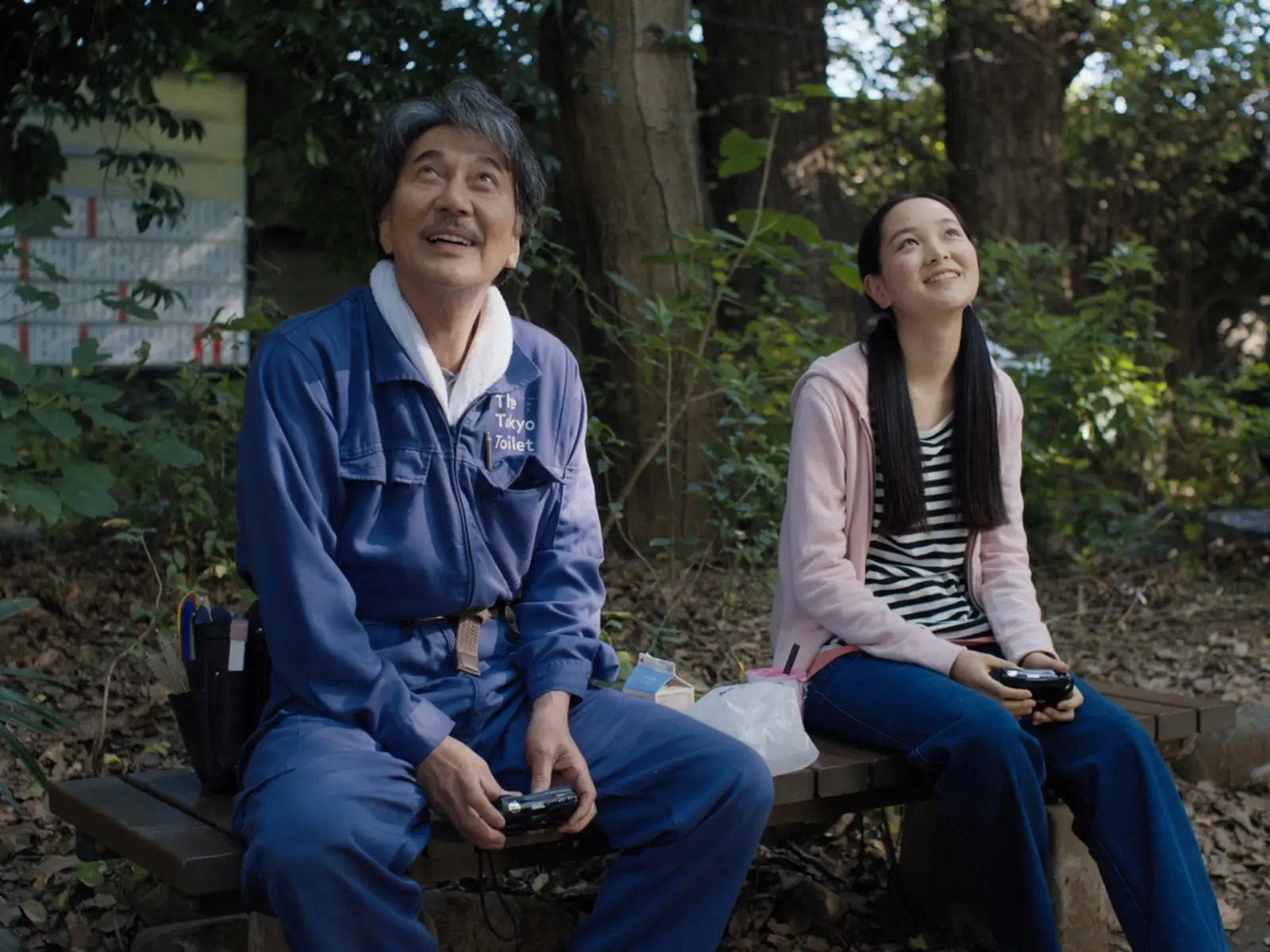
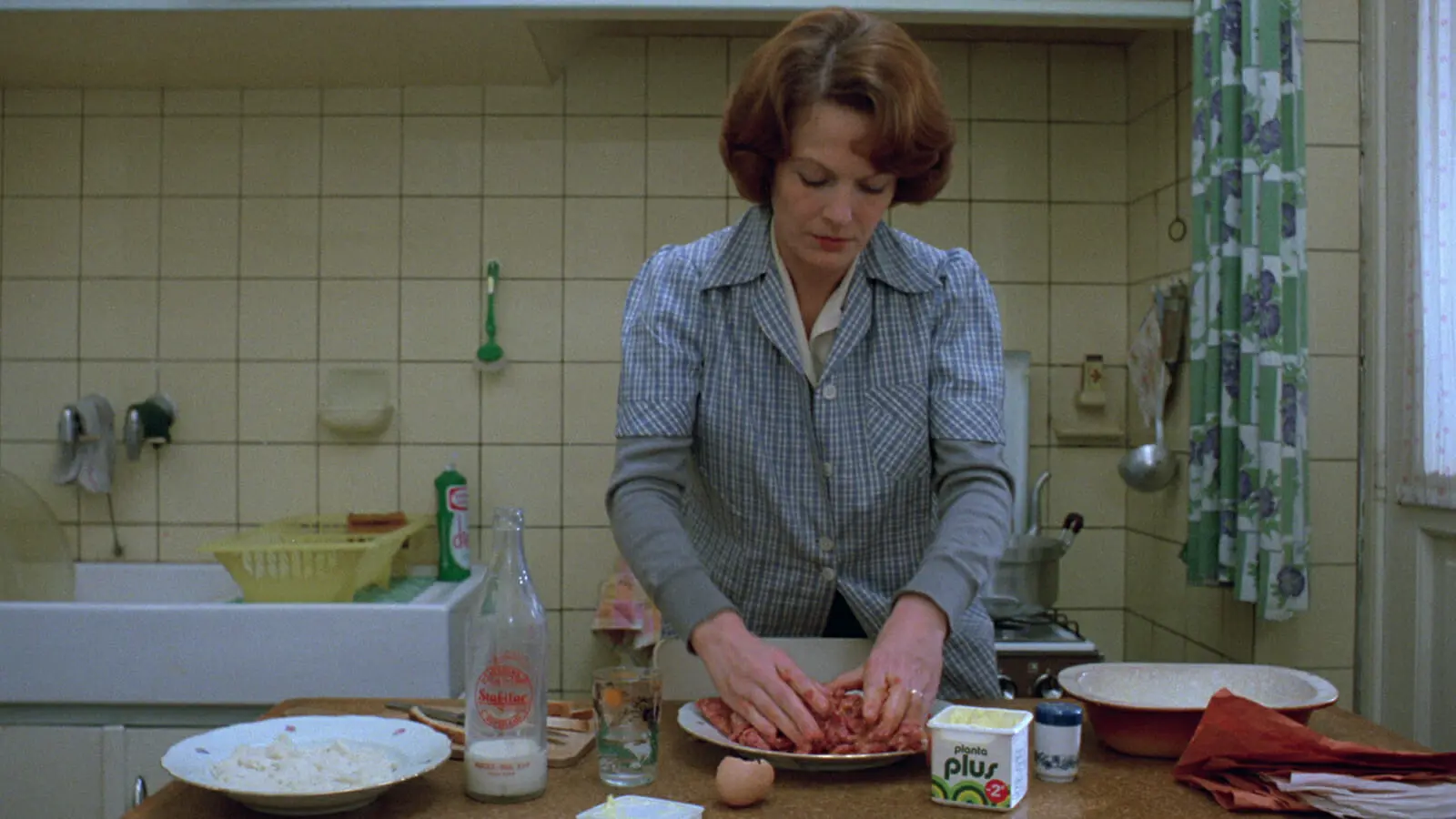
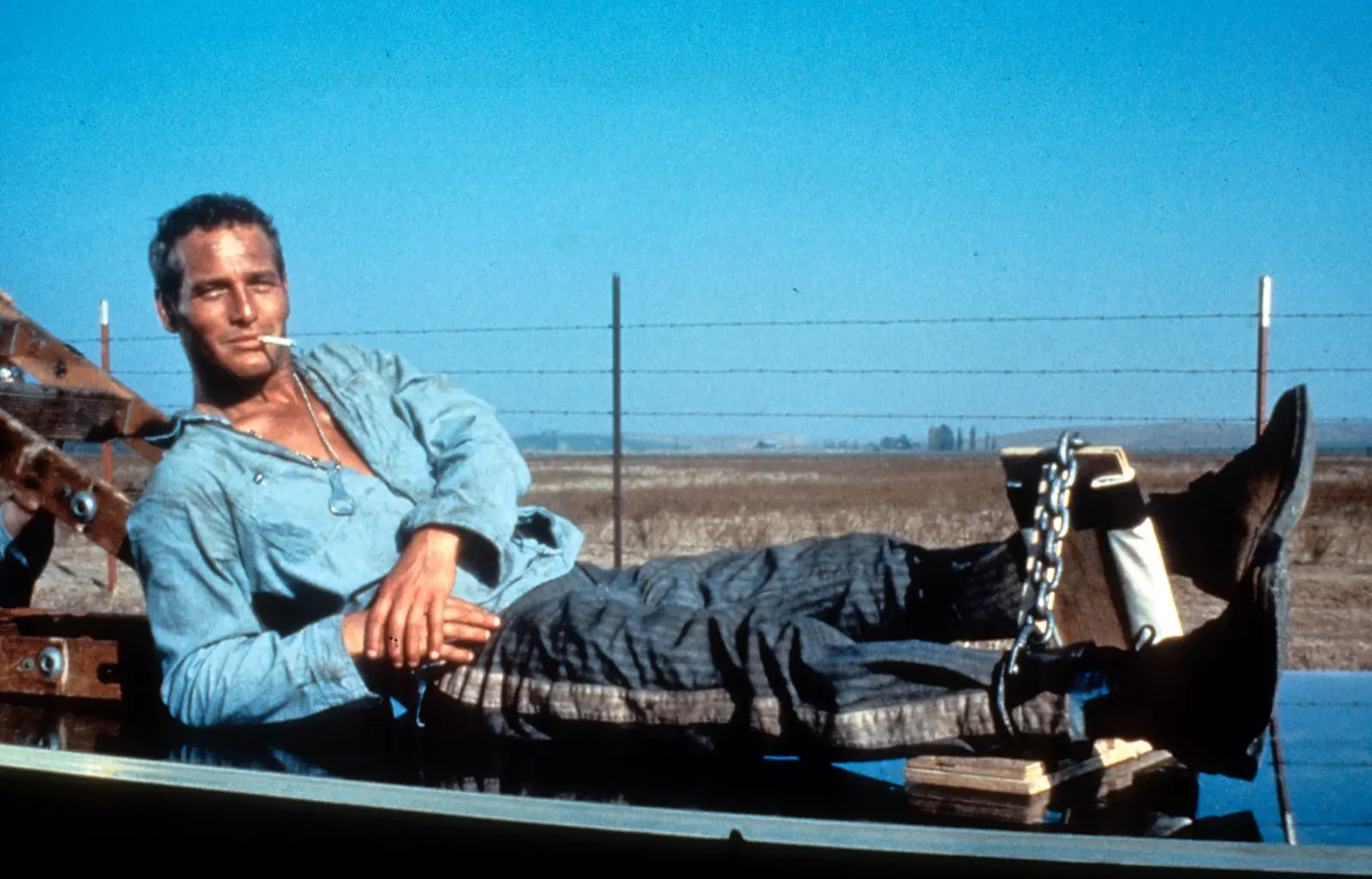
You will see this tension in the cinema we explore. Wim Wenders’ Perfect Days and Chantal Akerman’s Jeanne Dielman are profoundly different films, yet both force us to confront the weight of mundane routine. They demand our patience, refusing to offer the quick dopamine hits of modern storytelling, asking instead that we sit with the characters in the quiet, repetitive labour of existence.
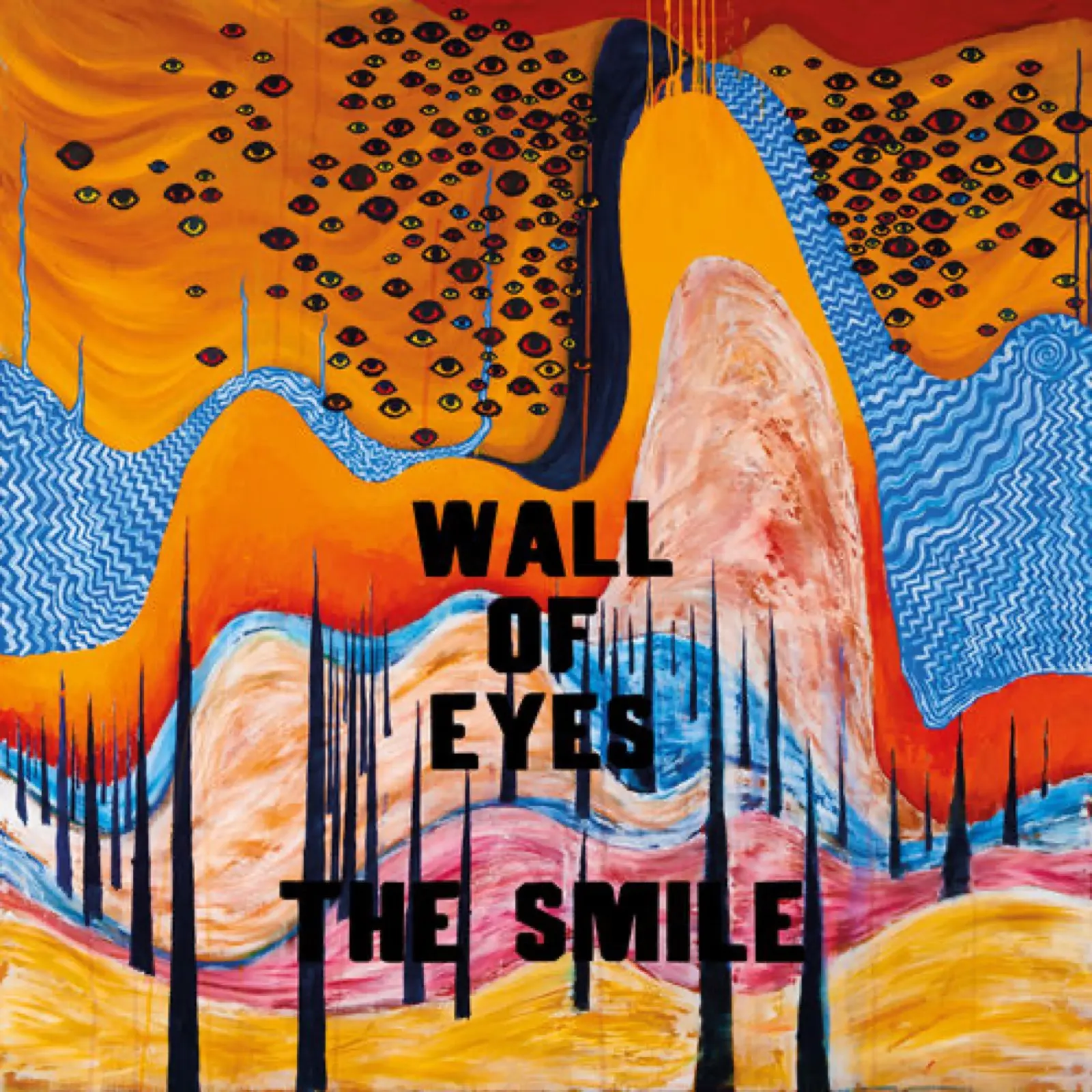
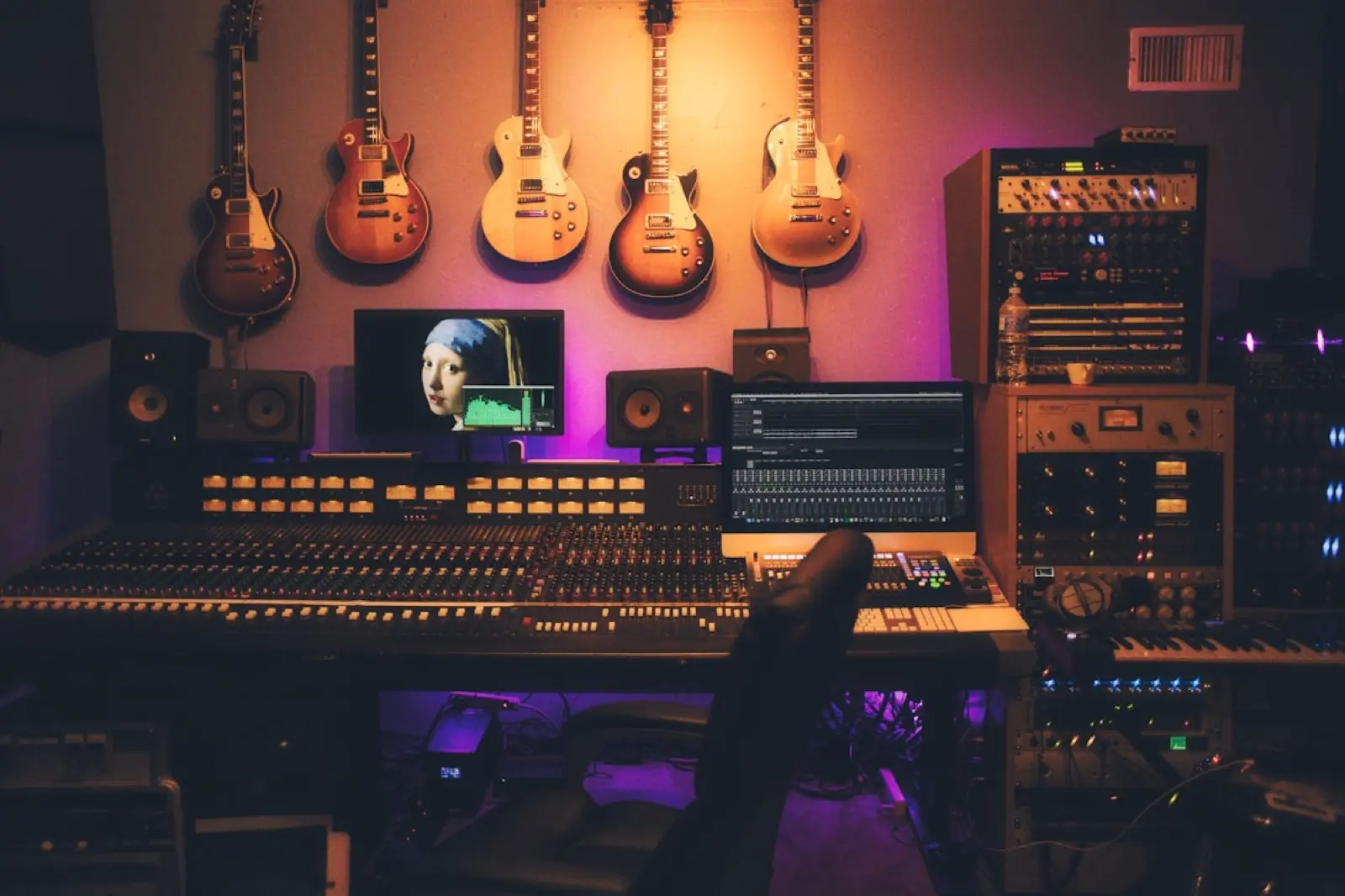
You will hear it in the music. We examine the enduring power of the "room sound," tracing the acoustic purism of Talk Talk to the organic textures of The Smile. In an age where digital production can simulate absolute perfection, these artists remind us that true resonance requires a physical space; a room filled with air, wood, and the inevitable imperfections of human performance.
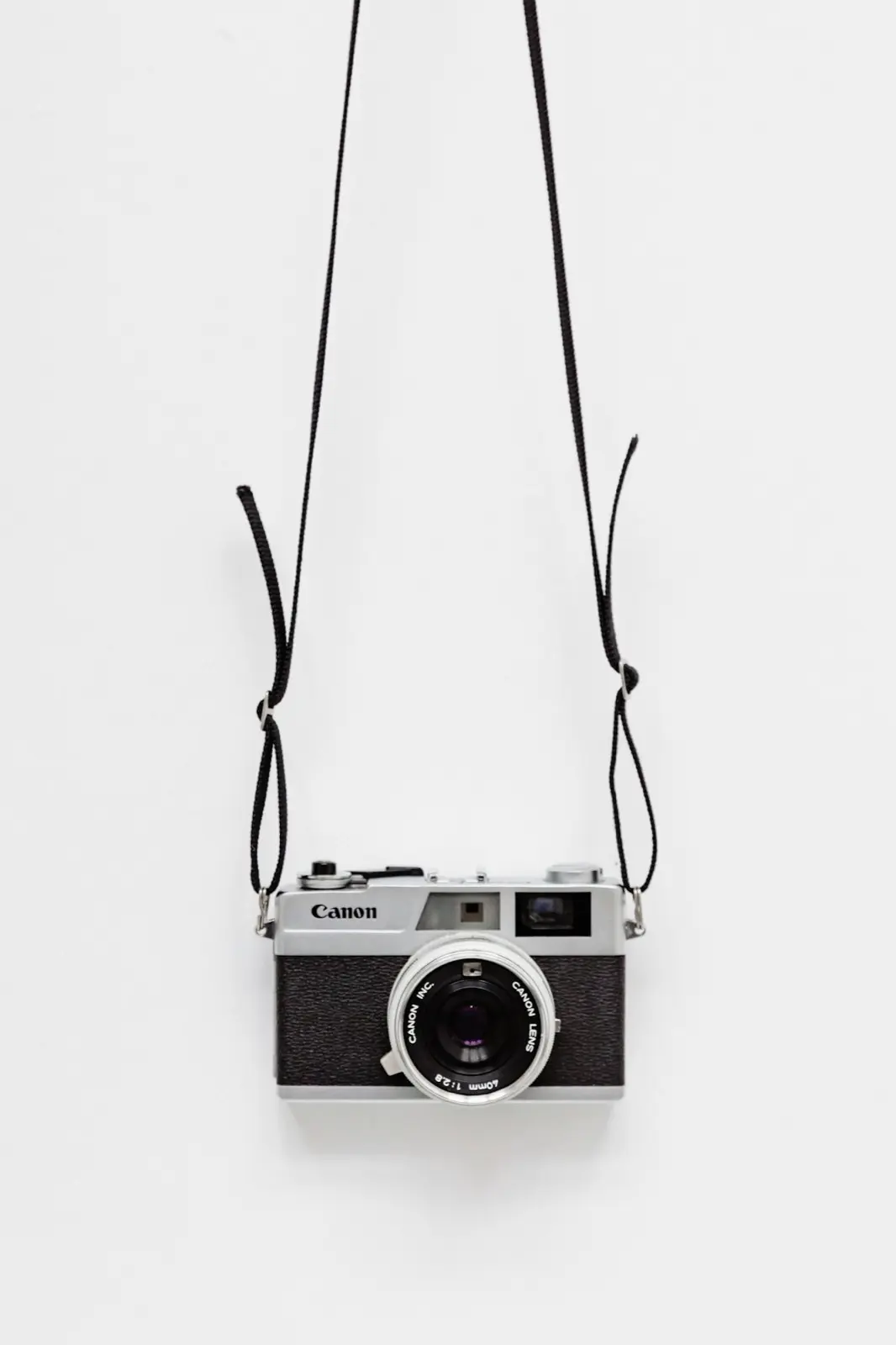
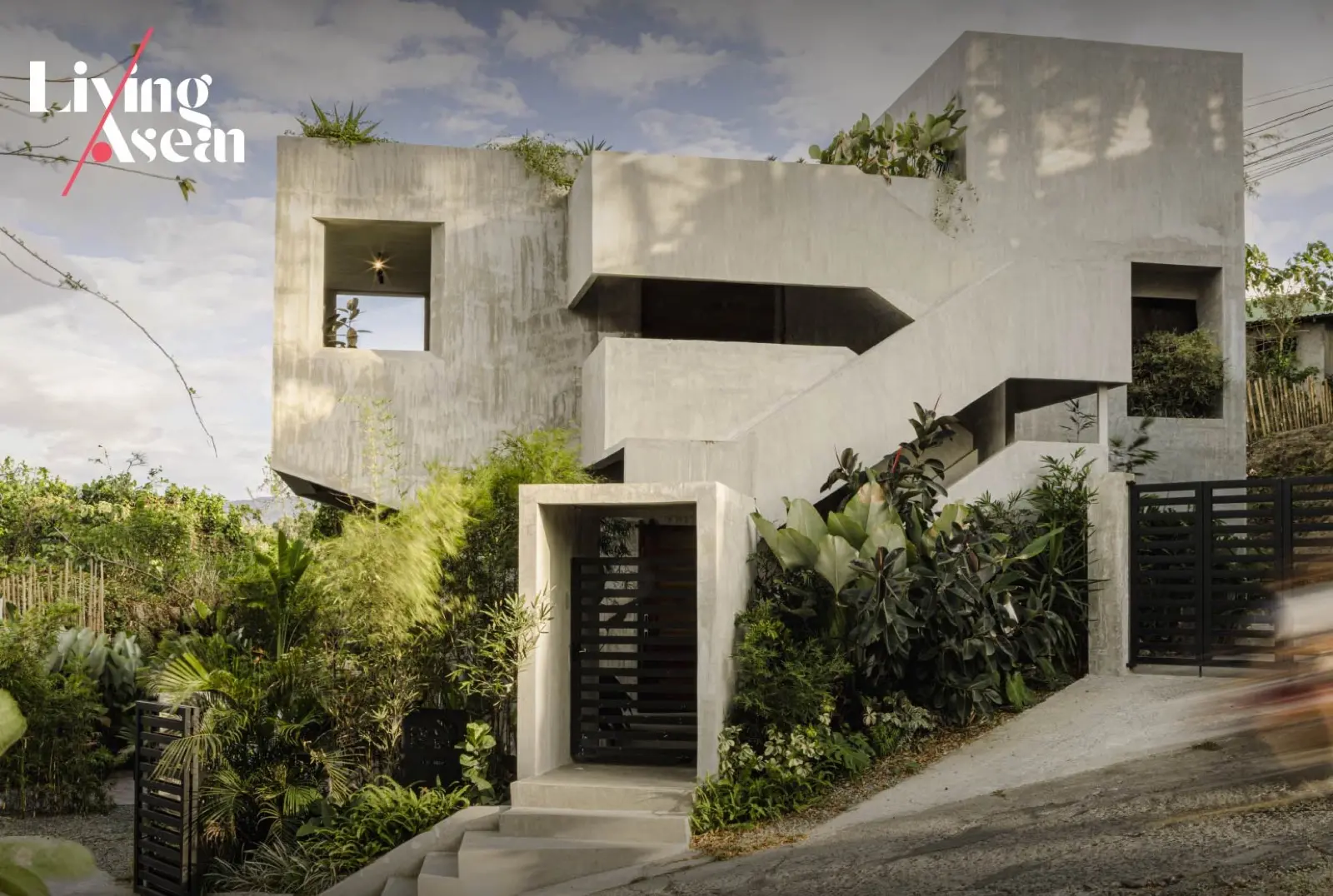
This craving for physical engagement bleeds into our design and domestic spaces. We are spotlighting the resurgence of haptic interfaces (the satisfying click of a mechanical camera dial or a synthesiser button) which serve as a psychological anchor, reminding us that we are still operating within the physical world. We see it in the rise of Tropical Brutalism, where the cold, industrial weight of board-formed concrete is embraced and softened by lush, encroaching nature, creating homes that feel less like machines for living and more like fortified sanctuaries.
Even in our wardrobes, the items that endure (like the classic French chore coat) are those born from utility, heavy fabrics, and hard labour, rejecting the ephemeral nature of fast fashion in favour of clothes that earn their patina through use.
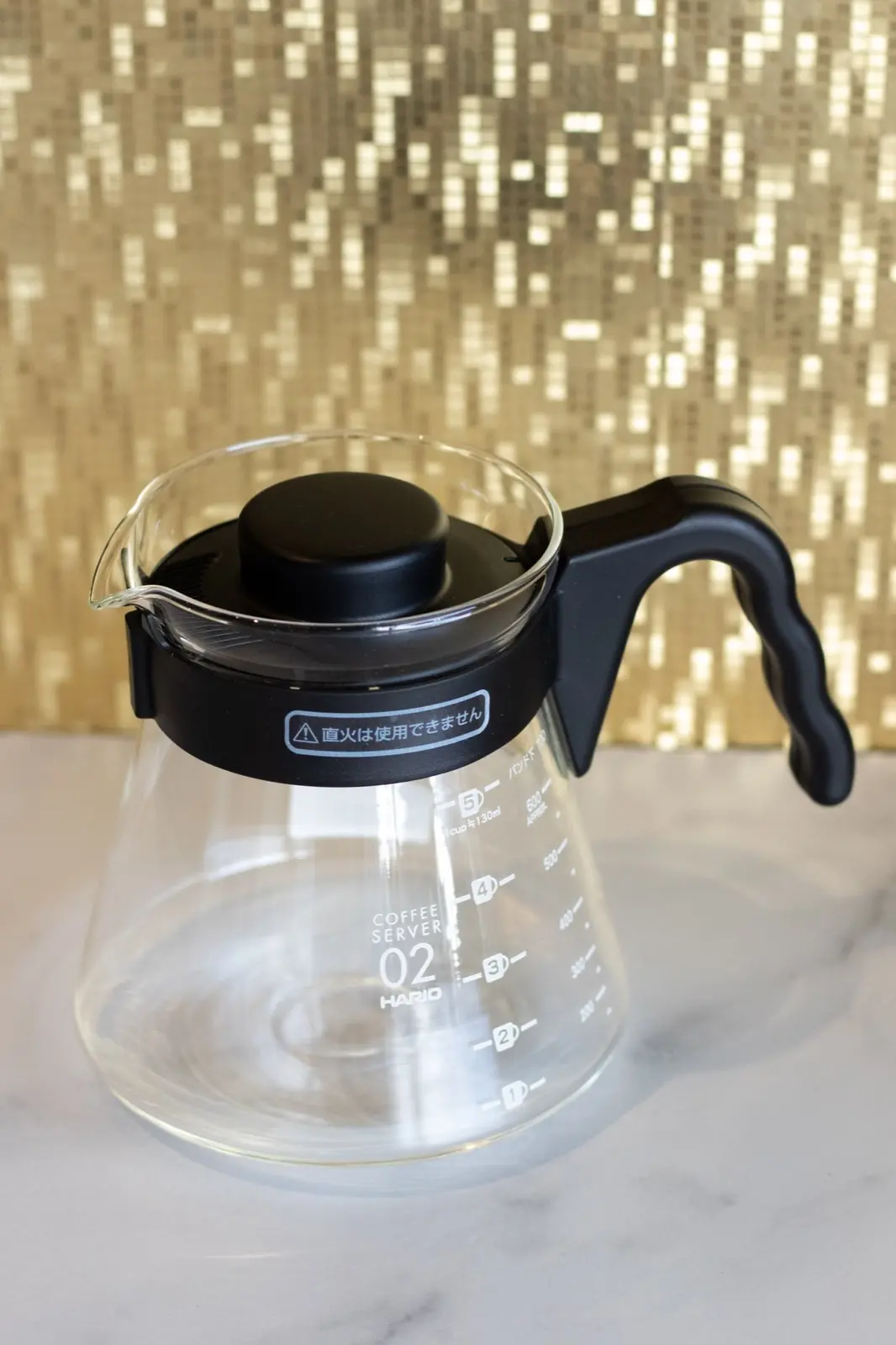
Ultimately, this edition is about intentionality. Whether it is the terrifying, beautiful precision required to execute a perfect pour-over coffee with Japanese hardware, or the commitment required to listen to an entire album recorded in a single room, the subjects of this journal share a common thread: they require us to show up. They ask for our attention, our physical effort, and our time.
"In a world engineered to be weightless, we hope this first edition of the AI Love You Journal provides something satisfyingly heavy to hold onto."
Enjoy the issue.