In our inaugural edition, we explored the haptic; the physical "push back" of the world. Today, we shift our focus to the inverse: the power of what is left out. We live in an era of maximalist noise, where every digital interface and urban corner competes for our cognitive bandwidth. The second edition of the AI Love You Journal, titled "The Geometry of Silence," is a study in the deliberate reduction of noise to reveal the fundamental essence of a subject.
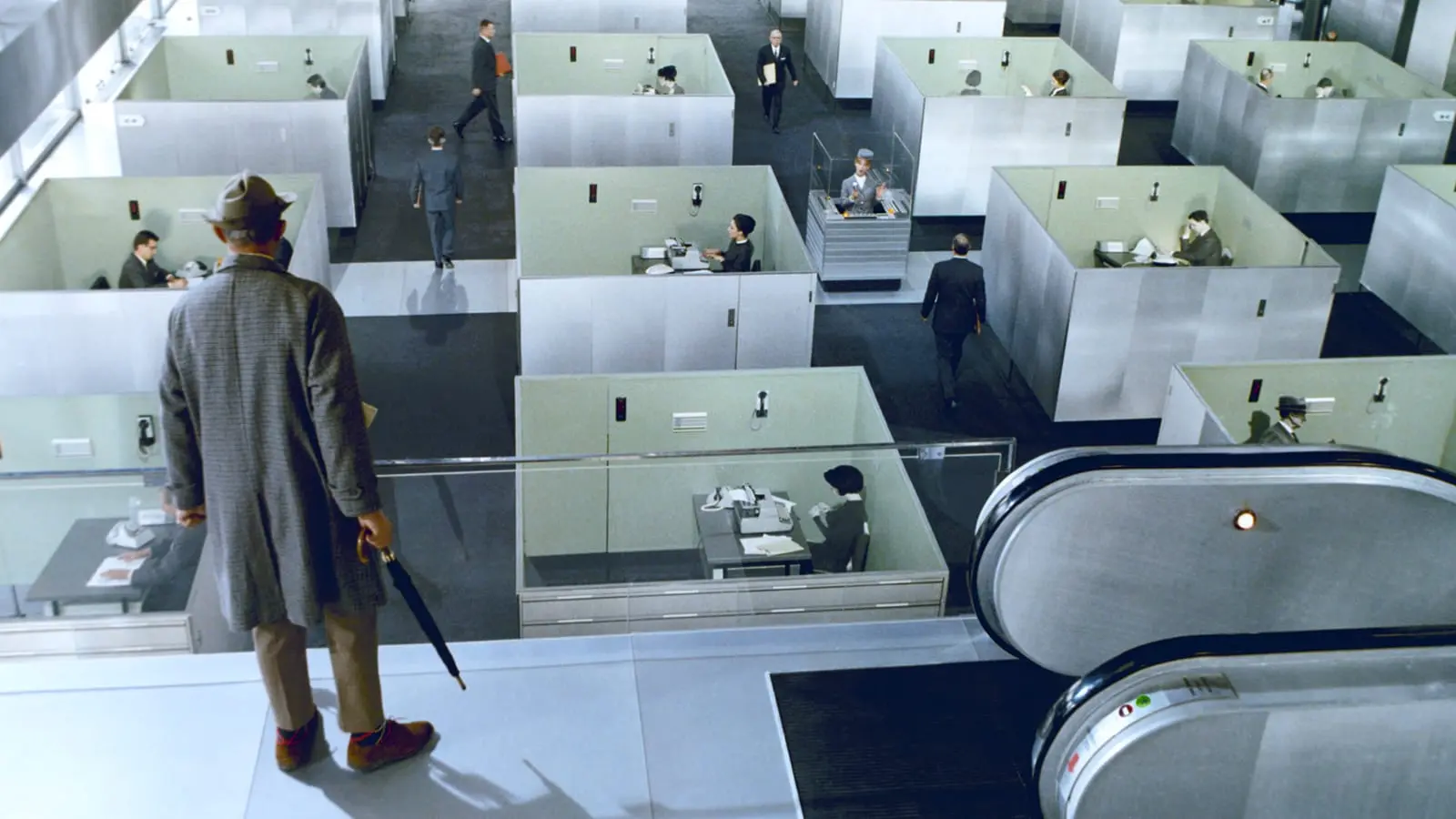
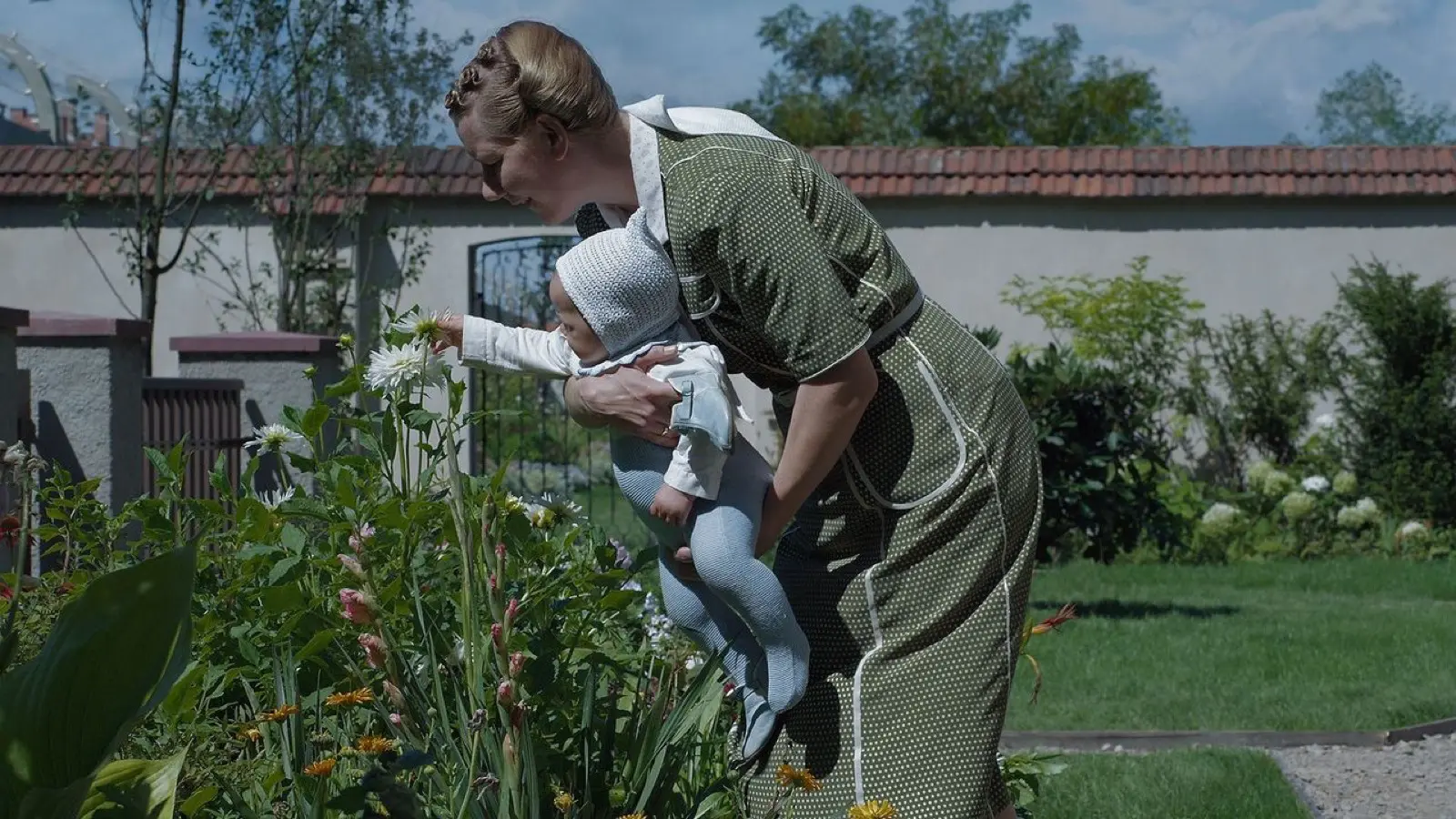
This theme manifested itself naturally as we curated these pieces. You will find it in our cinematic deep dive, where we contrast the unsettling, off-screen domesticity of Jonathan Glazer’s The Zone of Interest with the absurdist, structured glass-and-steel maze of Jacques Tati’s Playtime. Both films use architecture and sound to tell stories about what remains unseen and unheard, proving that silence is often the loudest tool in a director's arsenal.
In music, we look at the return of Beth Gibbons. Her latest work, Lives Outgrown, is a masterclass in sparse, haunting arrangements that rely on the breath between the notes. We pair this with a retrospective on the Bristol sound (specifically Portishead’s Dummy) to understand how "trip-hop" utilised empty space to create atmospheres of profound emotional weight.
Our design and product spotlights lean into the ultimate philosopher of "less but better," Dieter Rams. We examine the skeletal beauty of his work for Braun, which remains the gold standard for honest, unobtrusive design. This ethos is echoed in our look at Snow Peak’s titanium coffee gear; products that use material science to strip away unnecessary weight, leaving only the essential tools for a ritual in the wild.
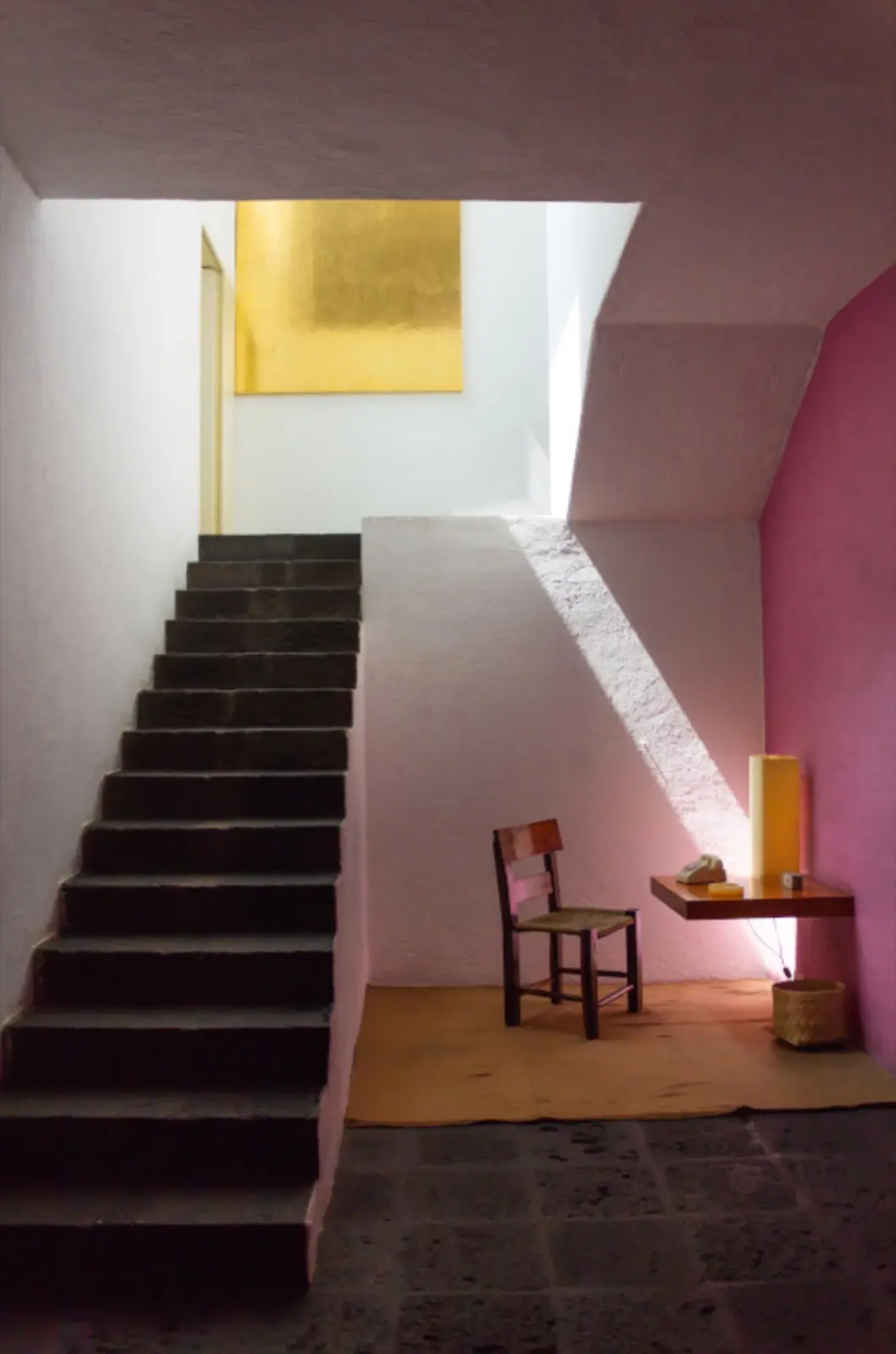
In architecture, we travel to Mexico City to experience the quiet brilliance of Luis Barragán. His work is a testament to how light, shadow, and a single solid plane of colour can create a space of spiritual stillness. Finally, in our style section, we analyse the mid-century silhouette of Wong Kar-wai’s In the Mood for Love, where the unspoken tension of the narrative is carried entirely by the impeccable, rigid tailoring of the costumes.
"The Geometry of Silence" is not about emptiness. It is about the clarity that comes when we remove the superfluous. It is about the strength found in a single line, a silent room, or a perfectly balanced cup.
Enjoy the issue.