We live in a culture that is utterly terrified of aging. In our digital spaces, everything is engineered to remain perpetually pristine. A digital photograph does not fade in the sun; a downloaded album does not warp or scratch; a software interface does not wear down at the corners where you click it the most. We have built a frictionless, hermetically sealed world of eternal newness. Yet, as with all things that resist the natural order, this synthetic permanence eventually feels profoundly hollow. We begin to crave the evidence of time.
For Edition 05, titled "The Aesthetics of Impermanence," we are dedicating our pages to the concept of patina; the physical manifestation of history upon an object. We are looking at the things that do not simply endure time, but require it in order to become beautiful. This is an exploration of the Japanese philosophy of wabi-sabi, the acceptance of transience and imperfection, applied to modern culture and design.
In cinema, we examine the concept of the "lived-in future." We contrast the sterile, gleaming sci-fi of the mid-20th century with the damp, rusting, decaying worlds of Ridley Scott’s Blade Runner and Andrei Tarkovsky’s Stalker. These directors understood that a future without grime, decay, and physical wear is a future devoid of humanity.
In music, we look at artists who actively weaponise decay. We explore William Basinski’s legendary The Disintegration Loops, an album created by the literal crumbling of magnetic tape as it passed over a tape head, and the crackling, rain-soaked aural patina of the mysterious London producer Burial. They prove that audio fidelity is not always about crystal-clear perfection; sometimes, it is about capturing the sound of a memory degrading.
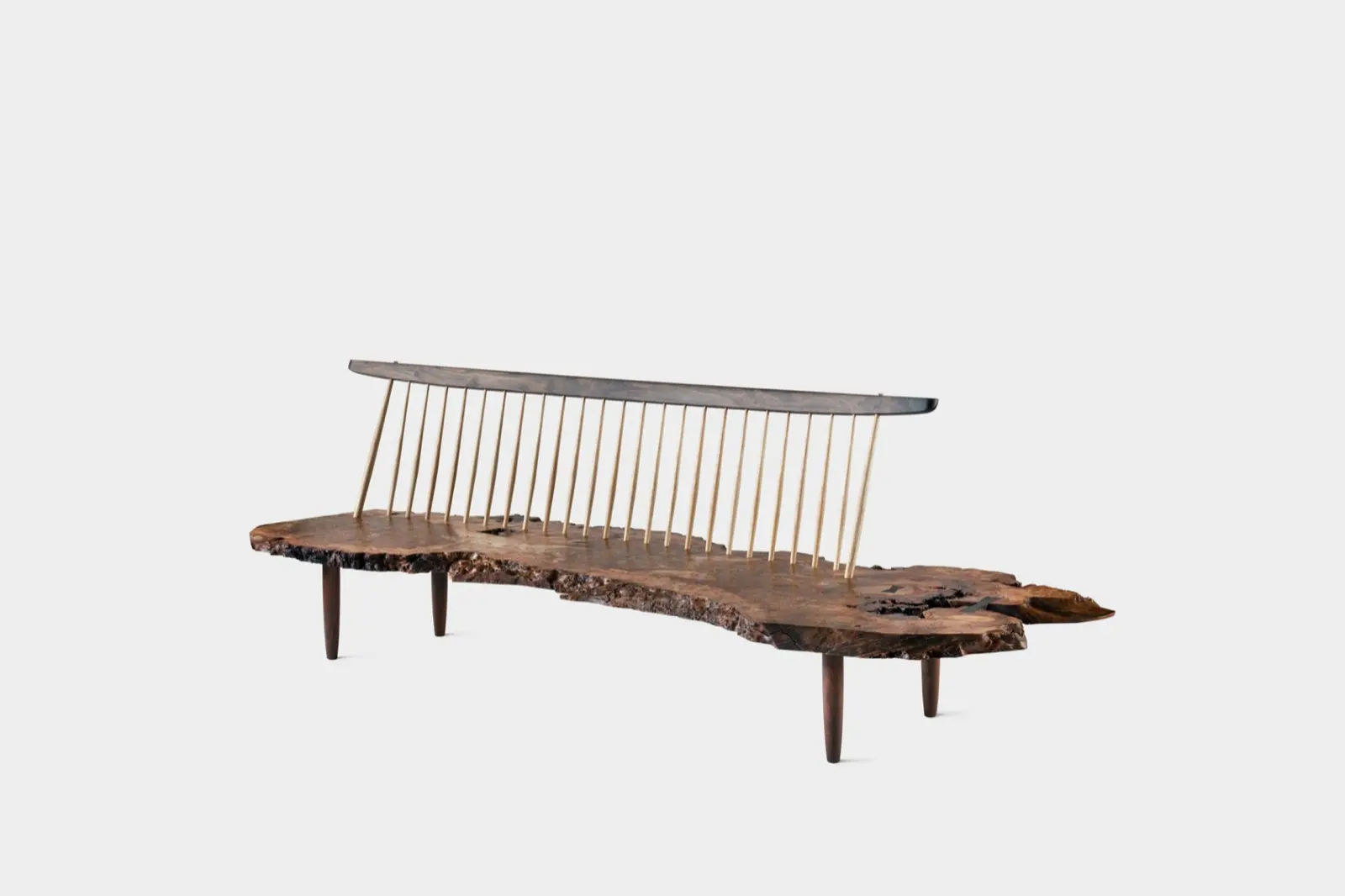
Our design and product departments focus on objects that scale with the user. We spotlight the mechanical romance of the legendary Faema E61 espresso machine; a heavy hunk of mid-century brass and chrome that requires constant maintenance but rewards the barista with a lifetime of service. In design, we look at the master woodworker George Nakashima, who refused to cut the natural imperfections out of timber, choosing instead to celebrate the splits and knots of the live edge.
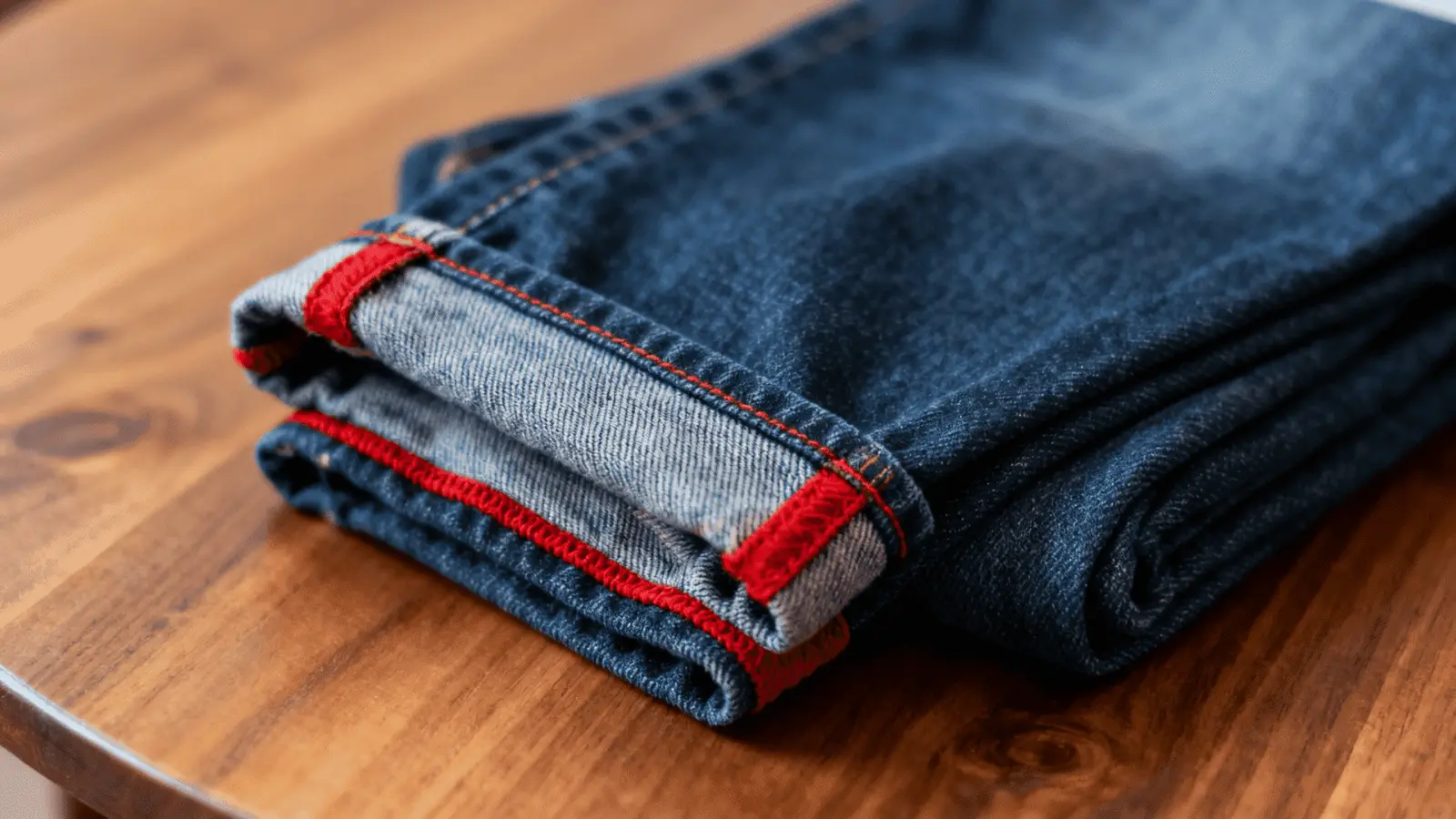
In architecture, we travel to Cape Town to look at the Zeitz MOCAA, a breathtaking example of adaptive reuse where a spectacular contemporary art museum was carved directly out of a decaying, monumental grain silo. Finally, in style, we delve into the obsessive subculture of raw Japanese selvedge denim. It is a garment that begins stiff and unforgiving, requiring months of physical friction to fade, crease, and mould entirely to the specific anatomy and lifestyle of the wearer.
"The Aesthetics of Impermanence" is a rejection of the disposable. It is a celebration of the scratches on a watch crystal, the fading of indigo, and the crumbling of concrete. It is a reminder that the most beautiful things in our lives are the ones that carry the scars of our existence.
Enjoy the issue.