THE JOURNAL ARCHIVE // 06

Tomorrow's
Textures

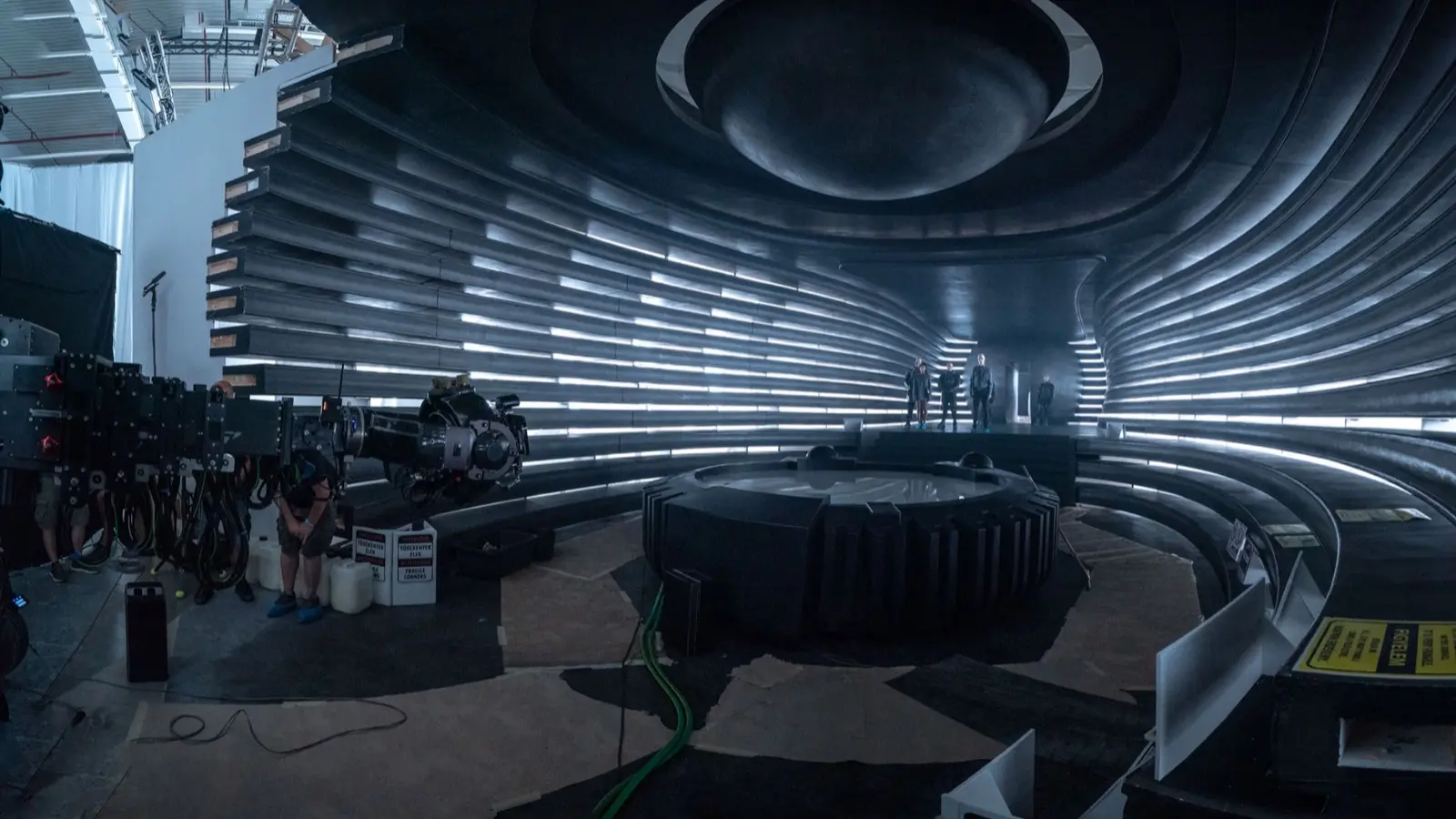
Denis Villeneuve Dune 2 BTS SOURCE // THE HOLLYWOOD REPORTER // DUNE: PART TWO — DIR. DENIS VILLENEUVE, 2024
Published: 24 April 2026
45 Min Read
Listen // 40:41
#RetroFuturism#Brutalism#BiophilicDesign#AnalogAcoustics#JapaneseKogu#SoftArmor#Dune2#TactileLiving#ModernBrutalism#NeoNoir
Editor's Note // The Pull of the Tactile

The Physical Resistance of the Real

In this edition of the AI Love You Journal, we examine the paradox of 2026: as our technological capabilities reach unprecedented, hyper-digital heights, our cultural aesthetic is aggressively pulling back toward the physical, the flawed, and the tactile. We are witnessing a profound resurgence of "Retro-Futurism"; a desire to view the future through the warm, grainy lens of the past.

This is not simple nostalgia. It is a calculated response to the friction-less nature of modern life. When everything can be instantly generated, simulated, or automated, the ultimate luxury becomes the physical resistance of the real world. You will see this tension mapped across every discipline in this issue. In our expanded music and cinema sections, we dissect the "Y3K" movement and the return of analogue synthesis, exploring why audiences crave the hum of a tape machine in a spatial audio mix.

In our design and architecture spotlights, we witness the definitive end of the 'Beige Era', replaced by Earthy Maximalism and the imposing, climate-resilient permanence of Modern Brutalism. We also return to our ongoing fascination with the rituals of coffee, focusing strictly on Japanese 'dry' paraphernalia; tools that demand your physical participation and offer immediate, sensory feedback. Finally, we explore how neo-noir cinema is influencing a new era of 'Soft Armour' in fashion, providing psychological comfort in an unpredictable world.

The future is no longer a pristine, sterile white corridor. It is textured, it is grounded, and it is undeniably human.

Enjoy the issue.
Lewis McKinnon // Founder
[I. Movies] The Tactile Future

Abandoned Sterile Holograms

How contemporary science fiction abandoned the sterile hologram for the weight of analogue machinery and brutalist world-building.

(8-Minute Read | Original Narrative & Critical Synthesis)

For decades, the cinematic language of the future was defined by sleekness. From the touch-screens of Minority Report to the pristine white corridors of early 2000s sci-fi, tomorrow was supposed to be frictionless. However, cinema in 2026 has violently rejected this vision. Directors have realised that a future without physical friction is a future devoid of human drama.

This shift was popularised by Denis Villeneuve’s Dune saga and has now become the industry standard. The futuristic technology we see on screen today does not look like a smartphone; it looks like a submarine. Spaceships are governed by heavy, clanking levers; communication devices emit static and tape hiss; architecture is monolithic, casting deep, oppressive shadows.

This "Cassette Futurism" serves a vital narrative purpose. By making the technology heavy, prone to breaking, and difficult to operate, filmmakers return agency to their characters. A hero hacking a mainframe with a sleek, invisible algorithm is visually dull; a hero frantically re-wiring a smoking, spark-emitting control panel is thrilling. The tactile future reminds us that no matter how advanced we become, we are still physical beings struggling against a physical world. As noted by critic Mark Kermode, "The most believable cinematic futures are the ones that look like they need a good dusting."

[II. Music] The Retro-Futurist Resurgence

Longing for the Textures of the Past

The soundscape of 2026 is defined by a deep longing for the textures of the past, coupled with an aggressive push toward the digital frontier.

(12-Minute Read | Deep Dive & Acoustic Analysis)

The auditory landscape of 2026 is an exercise in deliberate imperfection. Following the early 2020s, an era characterised by algorithmic precision and "clinical" digital perfection, producers have staged a massive, textured rebellion. We are now at the absolute peak of "Retro-Futurism" in music production; a movement that reimagines tomorrow through a vintage-tinted, heavily saturated lens. This is not a regressive retreat into the past; rather, it is a tactical fusion of analogue warmth and cutting-edge, AI-driven precision.

The Aesthetic Shift and the Y3K Movement

The movement away from pristine digital pop has given rise to the "Y3K" and "Cybersigilism" aesthetics. These genres draw heavily on the glitchy, high-speed energy of early internet rave culture, drum and bass, and 90s ambient trance, but execute them with terrifying, high-fidelity modern sound design. The goal is to soften the potentially alienating effects of advanced technology by grounding it in familiar, tactile acoustics: the hiss of a four-track tape, the unpredictable overdrive of vacuum tubes, and the characteristic, unstable "warmth" of 1980s Roland and Korg synthesisers.

This represents a profound psychological shift. According to a recent cultural analysis by The Quietus, this retro-futurist sound acts as an "escapist fantasy" for Generation Z and Generation Alpha. It offers a rosier, more romanticised vision of a technological utopia compared to the bleak, post-apocalyptic cyberpunk narratives that dominated the last decade. It takes the edge off contemporary anxieties surrounding AI by turning the technology itself into something kitsch, thrilling, and inherently human.

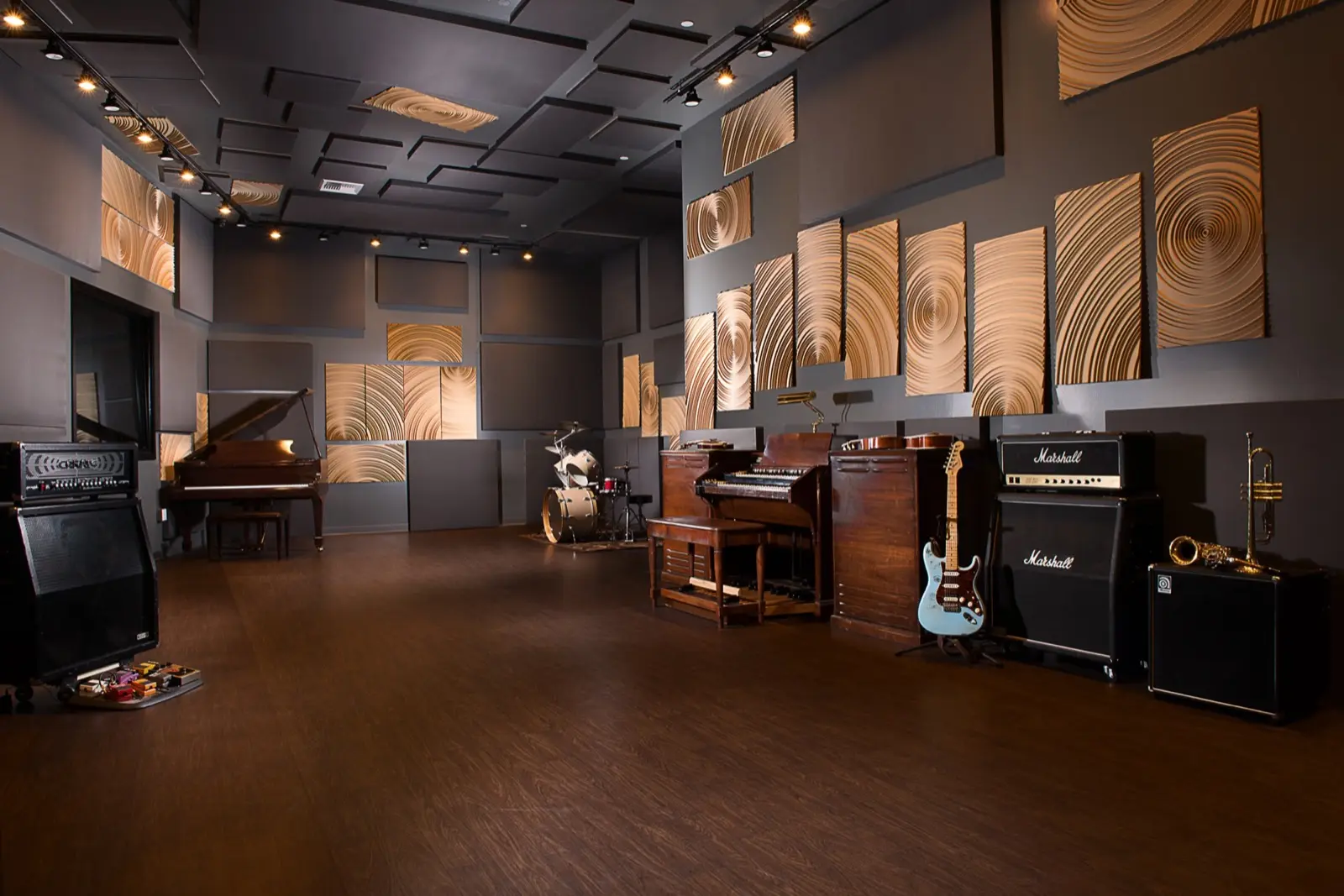
Hybrid Studio The modern hybrid studio: where state-of-the-art digital tools and spatial audio processing meet the unpredictable, tactile warmth of analogue synthesis. Source: Hybrid Studios.

The Hybrid Workflow and the Ghost in the Machine

In the recording studio, this philosophy manifests as the "Hybrid Workflow." Artists are aggressively rejecting the "in-the-box" (computer-only) approach. Musicians featured at the recent Brick Lane Jazz Festival demonstrated this beautifully, blending traditional brass improvisation with granular synthesis and hardware samplers like the Roland SP-404. Music critic Ilhan Beyazay observed that this approach creates a "stellar bill" of sound, where acoustic instruments are augmented by modular synthesisers, resulting in a live experience that feels both historic and hyper-modern.

The massive resale market for early 2000s workstations and 1990s rack gear (such as the Akai S1000) further evidences this "Yesterday's Tomorrow" phenomenon. Modern AI software can perfectly emulate the sound of these machines, but it struggles to replicate the happy accidents and workflow limitations that force musicians to be creative. By routing 2026-era spatial audio through these "low-res" digital relics, producers are creating immersive environments that feel beautifully "lived-in," ensuring the human element remains undeniably present in the final mix.

[III. Products] The Art of the Dry Coffee Ritual

Manual Tools & Meditative Practice

In the world of coffee paraphernalia, the focus has shifted entirely to Japanese manual tools that turn a morning routine into a meditative practice.

(10-Minute Read | Product Spotlight & Engineering Breakdown)

In the realm of specialty coffee, 2026 is officially the "Year of the Instrument." The vanguard of coffee enthusiasts has moved firmly past automated appliances and smart-brewers. We have entered a paradigm where coffee gear is treated with the same reverence, precision, and care as a fine mechanical timepiece or a bespoke camera lens. Our focus in this edition is strictly on Japanese "dry" products; equipment that requires no electricity, utilises no complex plumbing, and relies entirely on human kinetics, prioritising tactile feedback and material excellence above all else.

The Philosophy of Kogu

Japanese coffee brands are currently dominating the global specialty market by exporting the concept of Kogu (meaning traditional tools or gear) into the home brewing environment. The philosophy of Kogu dictates that a tool should not just perform a function; it should elevate the experience of the user. The focus is placed entirely on manual grinders, precise pouring kettles, and beautifully engineered drippers that offer physical "feedback" to the user. This transforms a mundane morning caffeine fix into a deliberate, meditative practice that grounds the user before the digital noise of the day begins.

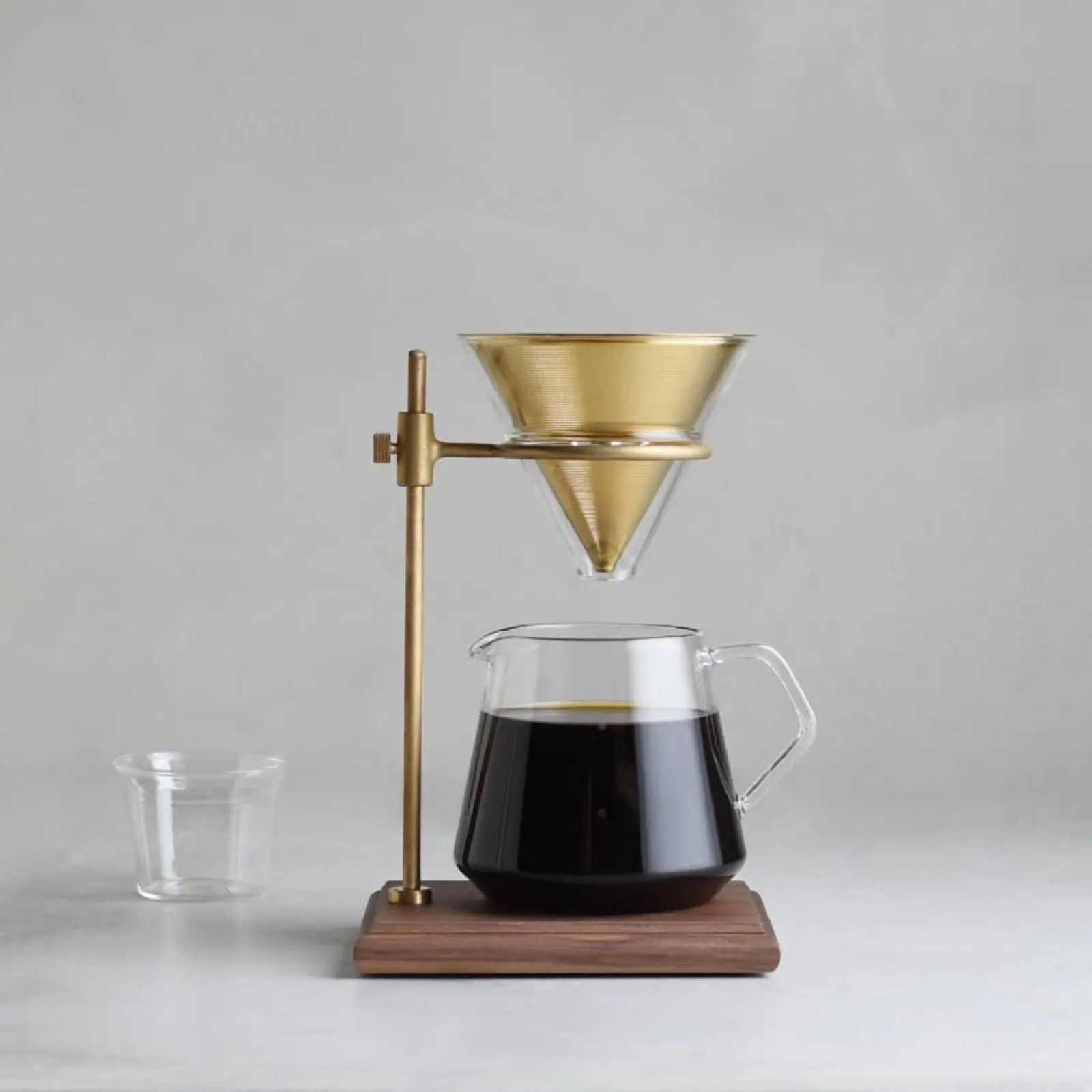
Kinto brass brewer stand The Kinto Slow Coffee Style Specialty: a brass brewer stand and glass server exemplify the tactile satisfaction of Japanese manual brewing. Source: Kinto Europe.

Spotlight Brands: The Masters of Dry Gear

  1. KINTO Slow Coffee Style Specialty: Kinto has mastered the intersection of aesthetics and thermodynamics. Their 2026 brass brewer stand, paired with a glass server, is a masterpiece of minimalist engineering. The use of a stainless steel filter allows more of the coffee's natural oils to pass through, creating a heavier body that paper filters often strip away, appealing to purists who want to taste the unadulterated bean.
    Official Link: kinto.co.jp
  2. HARIO V60 Ceramic Dripper 02: Despite a flood of new geometric entrants in the market, the V60 remains the undisputed reference standard for the pour-over. The 2026 ceramic edition emphasises superior heat retention. Unlike plastic, the ceramic body stabilises extraction temperatures across the entire three-minute brew cycle, ensuring that the delicate floral notes of light-roasted Ethiopian and Panamanian beans are perfectly preserved.
    Official Link: global.hario.com
  3. Porlex Mini II: Produced in Kagoshima, Japan, the Porlex Mini II is the definitive choice for the travelling brewer. It is entirely mechanical, featuring proprietary Japanese ceramic burrs that are fully dismantleable and washable. It is celebrated for its precise click-adjustment system, ensuring uniform grind distribution without the need for a power outlet. It remains the "gold standard" for portable precision.
    Official Link: porlex.co.jp

The Coffee Guide Japan editorial team recently noted that the push toward automation in the early 2020s fundamentally misunderstood the coffee consumer. They argue that the act of manually grinding beans and carefully pouring a gooseneck kettle is "not a chore to be automated, but a ritual to be protected." In an increasingly intangible world, these dry products offer a much-needed anchor to physical reality.

[IV. Design] Biophilic Integration & The End of 'Bland'

Rejecting the Beige Era

(10-Minute Read | Architectural Psychology & Material Science)

The "Beige Era" of the early 2020s (characterised by flat, matte black hardware, greige walls, and stark, minimalist emptiness) is officially dead. Interior design in April 2026 is defined by a bold, unashamed return to colour, dense texture, and organic form. The primary engine driving this transformation is "Biophilic Design," a scientific and aesthetic practice of incorporating natural elements into built environments to actively improve mental health, cognitive function, and sustainability.

The Shift to Earthy Maximalism

We are witnessing a mass migration away from sterile, hospital-like living rooms toward palettes grounded in natural hues: rich sky blues, deep forest greens, rusted terracottas, and earthy clay browns. These tones are fundamentally grounding; they are engineered to mimic the visual frequency of natural earth materials rather than the overproduced, glossy surfaces of the tech industry. Design firm Rothley highlights that these "earthy clay tones" age beautifully, accumulating a natural patina over time. This makes them a far more sustainable, emotionally resonant choice than the fast-fashion pastels that require repainting every three years.

Furthermore, material science has caught up with aesthetic desire. Designers are heavily utilising sustainable, raw materials like mycelium (mushroom root) for acoustic panelling, and hempcrete for interior partitions. These materials do not just look natural; they breathe, regulating indoor humidity and purifying the air, turning the home into an active, living ecosystem.

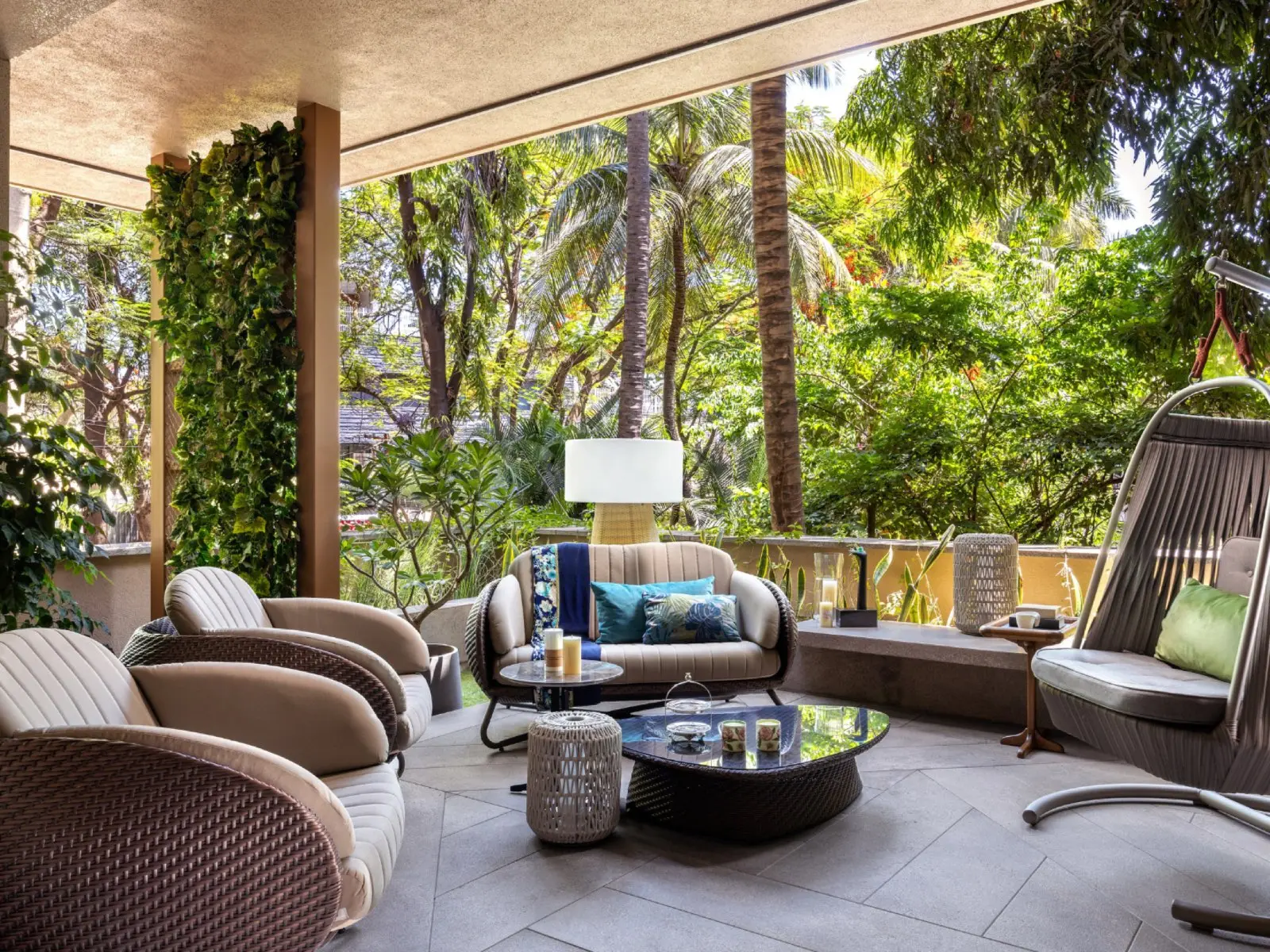
biophilic home Earthy maximalism and biophilic integration: curved silhouettes, natural terracotta tones, and the seamless integration of life into the architecture. Source: Architectural Digest India.

Structural Softness and the Invisible Smart Home

The dominant silhouette of 2026 is the curve. Sharp edges and harsh right angles are being eradicated from domestic spaces. Architectural psychologists argue that sweeping curves and arched doorways are perceived by the human brain as "softer and more welcoming," significantly reducing the visual harshness that triggers cortisol release.

This structural softness is being paired with the evolution of the "Smart Home." We have moved past the era of obtrusive screens and flashing plastic hubs. Technology is now completely integrated into the décor, becoming practically invisible. Features like circadian lighting (which subtly shifts from cool blue in the morning to warm amber in the evening) are built directly into the plasterwork. The overarching goal of design in 2026 is not to make a space look futuristic, but to use technology to return the home to its most ancient, primal state of sanctuary.

[V. Architecture] The Climate-Responsive Concrete Sanctuary

Modern Brutalism Redefined

(10-Minute Read | Architectural Synthesis & Environmental Engineering)

Brutalism, arguably the most polarizing and misunderstood architectural movement of the 20th century, has undergone a radical and necessary transformation. In 2026, "Modern Brutalism" is no longer viewed as an imposing, dystopian aesthetic; it is universally recognised as the smartest, most resilient choice for residential design. This resurgence is entirely driven by necessity: the urgent demand for structural durability and passive thermal efficiency in an era of escalating climate volatility.

Raw Materials, Honesty, and Thermal Mass

The modern brutalist homes of 2026 are not the oppressive, rain-stained "grey blocks" of 1960s London. They are highly sophisticated, high-performance living spaces that utilize exposed concrete, bold geometric forms, and low-maintenance, unpainted materials. The foundational principle behind this movement is thermal mass. Heavy materials like concrete and rammed earth have an extraordinary capacity to absorb extreme heat during the peak of the day, trapping it within the walls. As temperatures drop at night, the walls slowly release that stored heat back into the living space. This ancient principle of thermodynamics drastically reduces, and often eliminates, the need for carbon-heavy artificial heating and air conditioning.

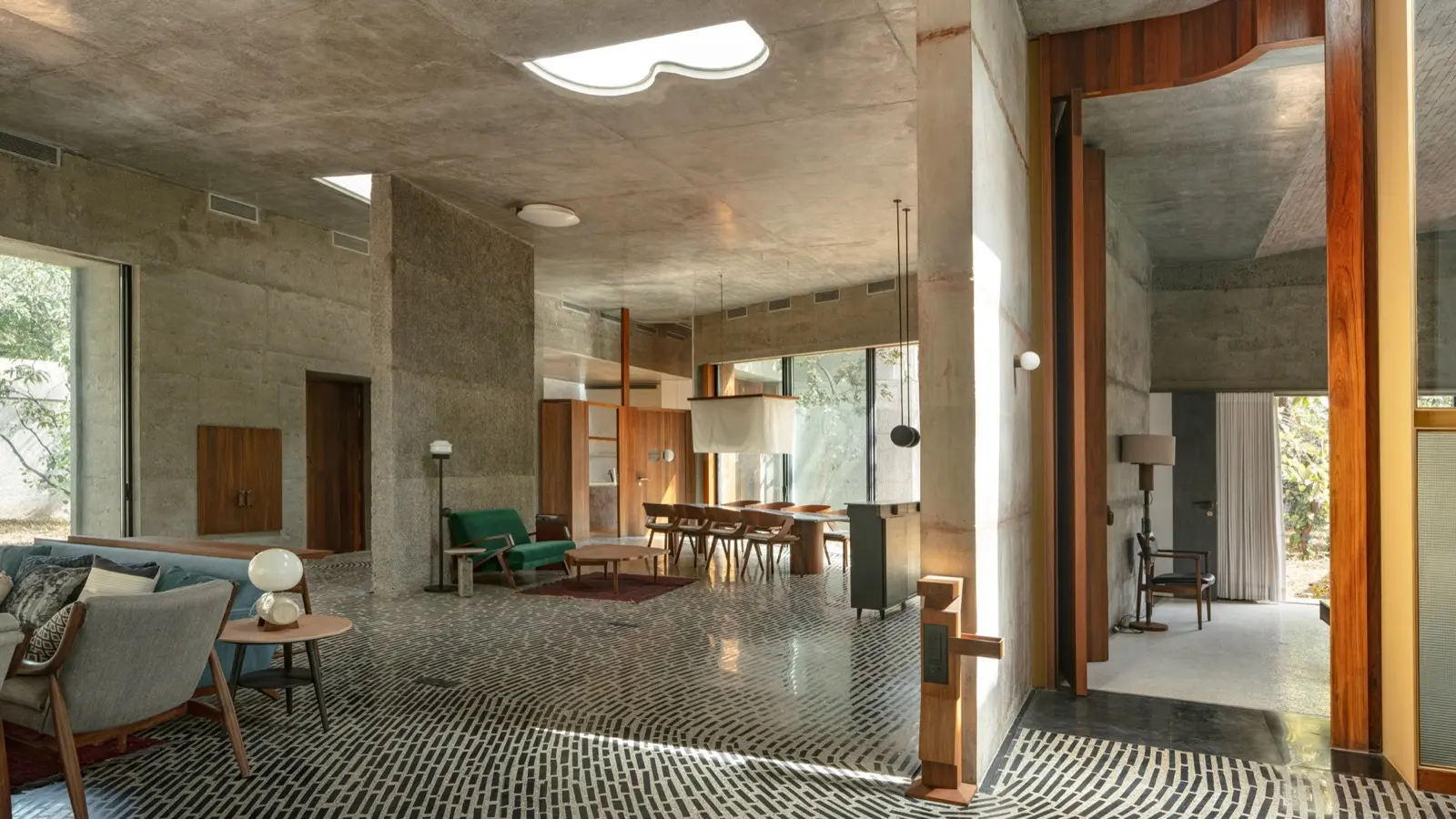
modern residential brutalism The House of Concrete Experiments by Samira Rathod. Strategic use of massive thermal mass and deep recessed windows creates a climate-responsive sanctuary. Source: Dezeen.

The Honest Response to Modern Life

Architectural critics have fundamentally shifted their stance, now championing Modern Brutalism as the "most honest architectural response to modern life." For the past decade, residential construction was plagued by flimsy, synthetic ornamentation and timber framing that could not withstand extreme weather. Brutalism rejects this fragility. It embraces a philosophy of "Luxury Minimalism," where the luxury is derived from the sheer permanence of the structure.

By exposing the raw, unrefined nature of construction materials (leaving the wood-grain imprints of the formwork on the concrete walls) architects are creating "Sustainable Sanctuaries" that require almost zero exterior upkeep. As noted by the Royal Institute of British Architects (RIBA), "A home in 2026 must be a fortress against the elements. Brutalist homes are no longer a relic of post-war austerity; they are the definitive blueprint for survival and serenity in the 21st century."

[VI. Style & Fashion] Cinematic Silhouettes & 'Soft Armour'

The Practical Drama of the Urban Night

(10-Minute Read | Fashion Commentary & Industry Analysis)

The fashion industry in 2026 is experiencing a dramatic pivot away from the hyper-casual 'athleisure' that dominated the post-pandemic years. However, consumers are refusing to return to the rigid, restrictive corporate tailoring of the past. The result is a striking new aesthetic born directly from contemporary neo-noir and sci-fi cinema, widely referred to by industry analysts as "Practical Drama" and the "Soft Armour" aesthetic.

The Soft Armour Silhouette

Inspired heavily by the brooding, atmospheric wardrobes seen in recent cinematic releases (where characters navigate complex, visually dark worlds in sweeping coats and structured layers) the dominant silhouette is one of "Soft Structure." This involves garments that imply formal tailoring without restricting physical movement.

We are seeing the complete replacement of the traditional worsted wool suit with relaxed, oversized blazers cut from heavy, textural knits and phase-change materials that regulate body temperature. Trousers feature generous pleats and discreet, elasticated waistbands. This creates the "soft armour" effect: clothing that projects authority, capability, and professional boundary-setting, whilst feeling as comfortable as domestic loungewear. It is a wardrobe designed to psychologically protect the wearer from the sensory overload of the urban environment.

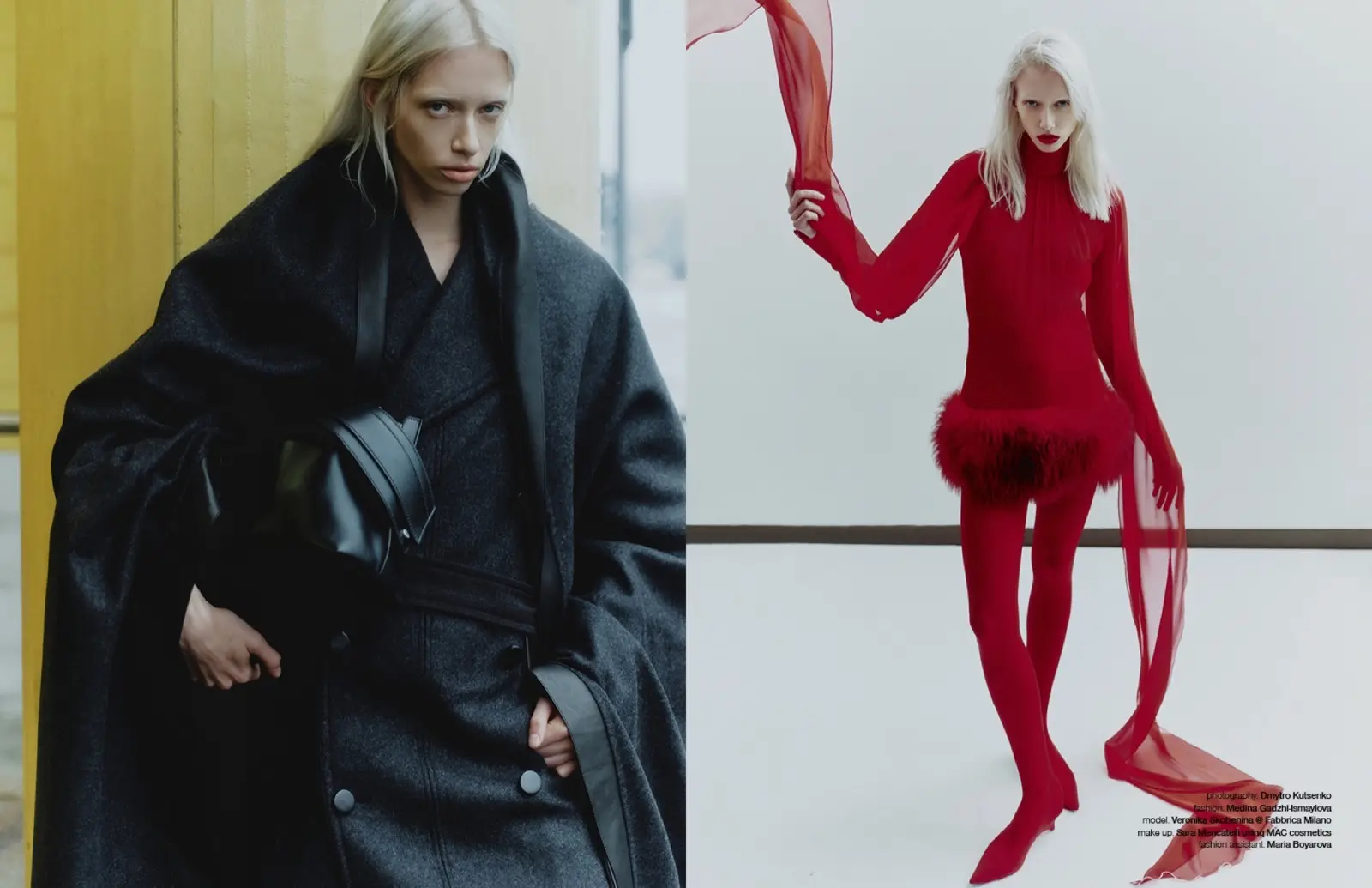
soft armour Practical Drama: The 'Soft Armour' aesthetic combines dramatic cinematic silhouettes with high-performance, reactive fabrics. Source: Schön! Magazine.

District-Inspired Durability and Modular Utility

Parallel to this is a significant surge in "District-Inspired Durability." Consumers are demanding clothing that works as hard as they do. We are seeing a proliferation of cargo maxi-skirts, technical trench coats with storm flaps, and garments featuring reinforced, articulated stitching. The colour palette is strictly rooted in earthy, cinematic neutrals: deep olive, rust, charcoal, and slate.

According to global forecasting agency Deepwear, retailers are completely abandoning the "fast fashion" model in favour of "enduring silhouettes." Consumers are viewing their clothing purchases as long-term investments in utility. The most sought-after pieces of 2026 are "modular outerwear" options; such as coats with detachable storm-hoods, or heavy wrap-scarves that can transition into shawls. This is "Survivalist Wear" elevated and softened for daily metropolitan life, allowing the wearer to feel infinitely prepared for any scenario without looking overtly tactical. It is the ultimate expression of style meeting unyielding function.

[VII. The Global Five]

CURATED EVENTS 18–21 APRIL 2026

London, UK

April 2026

Wes Anderson - The Archives (Design Museum)

A major exhibition exploring the meticulously crafted world of Wes Anderson. Featuring original sets, costumes, and props that showcase how physical objects build narrative depth in an increasingly digital world. designmuseum.org

New York City, USA

Debuting April 2026

The Mind of a Serial Killer - The Experience

A groundbreaking immersive journey into criminal profiling and architectural psychology, exploring how popular media transforms real-world darkness into cinematic villains. newsroom.feverup.com

Melbourne, Australia

Until 19 April 2026

Westwood | Kawakubo - Revolutionary Design (NGV)

A world-exclusive celebratory dialogue between Vivienne Westwood and Rei Kawakubo, exploring five decades of structural rebellion and redefined silhouettes. ngv.vic.gov.au

Berlin, Germany

18–20 April 2026

European Arts and Crafts Days

Berlin’s leading artisans open their private workshops for live demonstrations, emphasizing the value of handmade, durable products in a tech-heavy age. berlin.de/events

Tokyo, Japan

18–21 April 2026

The Architecture of the Cherry Blossom

An architectural walking tour exploring the interplay between Tokyo's brutalist concrete institutions and the ephemeral beauty of the Hanami season. gotokyo.org