THE JOURNAL ARCHIVE // 09

The Calculus of
Precision

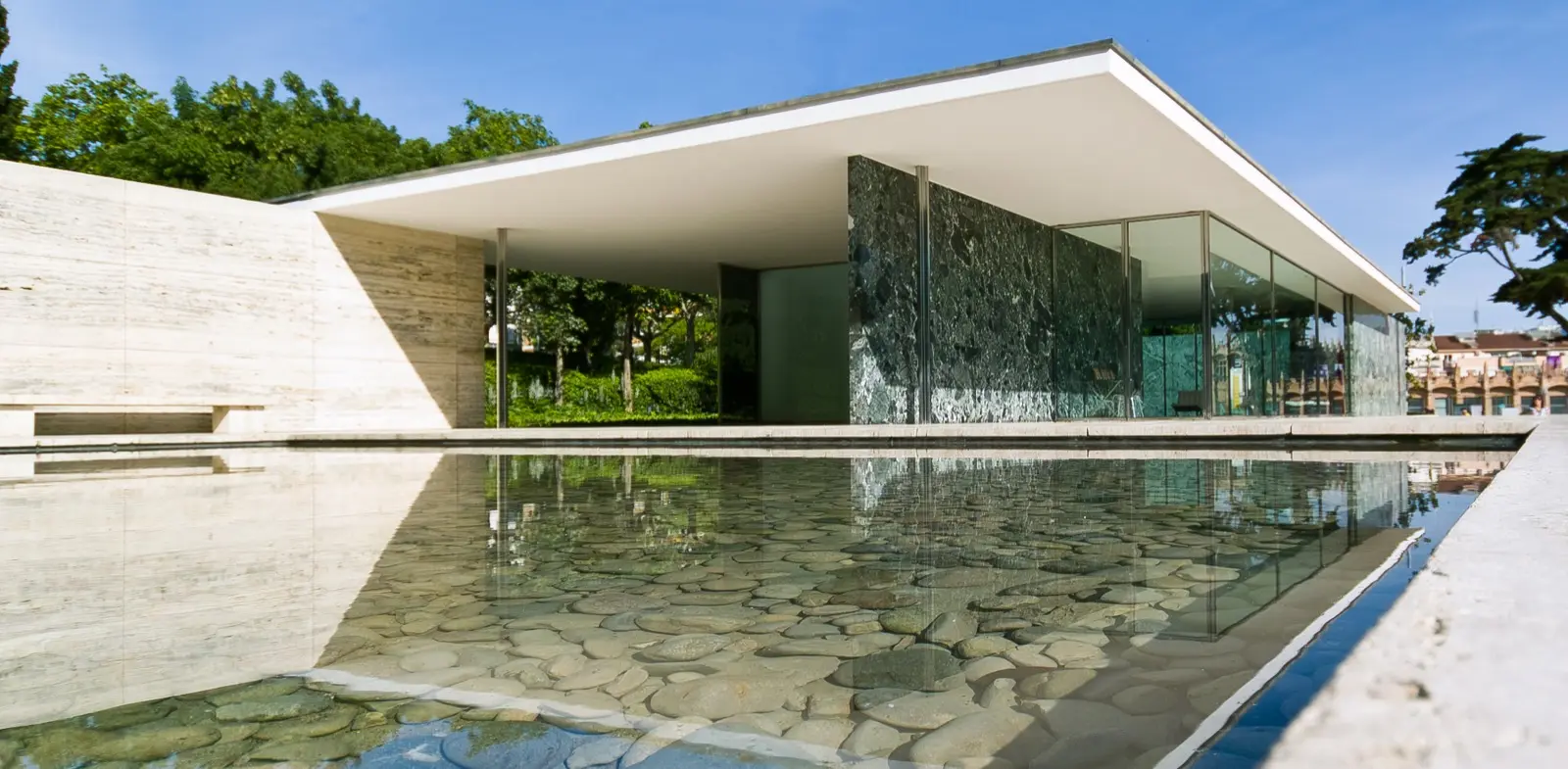
The Calculus of Precision SOURCE // FUNDACIÓ MIES VAN DER ROHE // BARCELONA PAVILION — ARCH. MIES VAN DER ROHE, 1929
PUBLISHED: 30 APRIL 2026
45 MIN READ
LISTEN // 51:01
#Horology#JapaneseDesign#SpecialityCoffee#Modernism#Cinematography#HighFidelity
Editor's Note // Precision

The Sacred Increment

The contemporary understanding of precision has transitioned from a mere metric of industrial tolerance into a profound ontological framework that dictates the texture of modern existence. This "Calculus of Precision" represents a synthesis of technical mastery, material integrity, and a rigorous pursuit of hyperreal presence across the disparate yet intersecting domains of cinema, music, product engineering, design, architecture, and style.

In our previous edition, we explored the "Brutalist Pulse"—the honesty of weight and raw, unyielding mass. Today, we shift our focus from the macro to the micro. Whether it is the micron-level tolerance of a mechanical watch movement, the exact grammage of a coffee dose, or the rhythmic pacing of a film edit, precision is the silent architect of quality.

This report investigates how precision functions not just as a tool, but as an aesthetic and philosophical end in itself, reshaping our sensory relationship with the world.

Lewis McKinnon // Founder
[I. Movies] Cinematic Hyperrealism

The Surgical Cut: Michael Mann’s Digital Night

Michael Mann doesn't just film a scene; he excavates it. From the 35mm grit of Heat to the Viper-digital incandescence of Collateral, Mann’s work is a masterclass in professional precision.

In the cinema of Michael Mann, precision is a moral code. His protagonists—thieves, hackers, detectives—are defined by their supreme professional competence. This competence is mirrored in the technical execution of the films themselves. When Mann shifted to digital with Collateral (2004), he wasn't looking for convenience; he was looking for a specific type of hyperreal accuracy that film could not provide: the ability to see into the urban night with the same clarity as the human eye.

Format Technical Specifications
35mm Film (Heat) High grain, deep shadows // Natural 180° shutter // Chemical processing
Digital Viper (Collateral) Extreme sensitivity; "see the air" // Variable electronic shutter // 10-bit Raw; surgical colour grading

This "Calculus of Precision" extends to the performers. For the iconic street shootout in Heat (1995), Mann insisted the actors undergo weeks of live-fire training at the Los Angeles Sheriff’s Department. The result is a sequence where every magazine change and tactical movement is executed with a level of accuracy that makes traditional action cinema feel like a pantomime. It is the "professional detail" that elevates the work from spectacle to document.

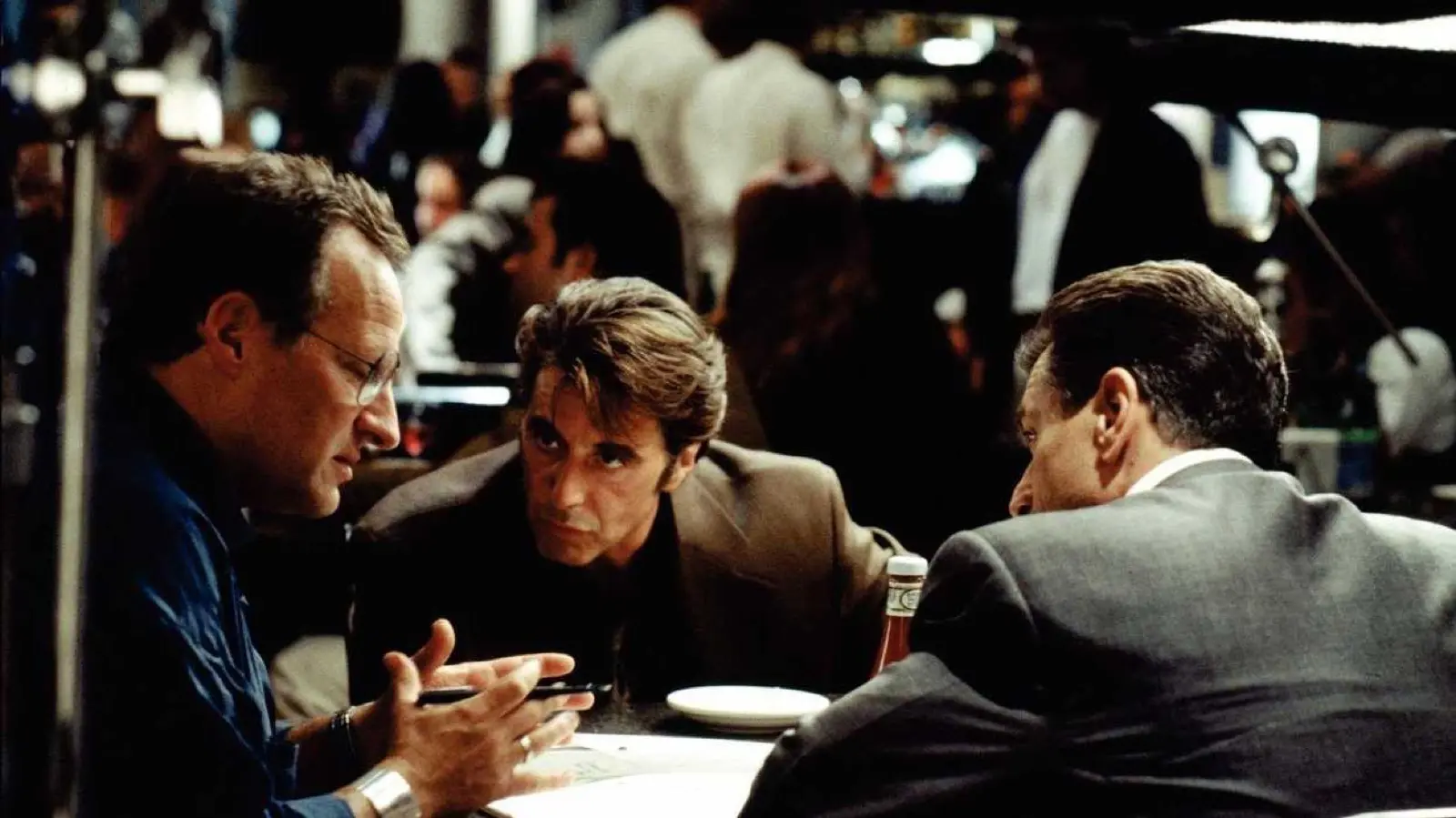
Michael Mann Set Michael Mann directing on the set of Collateral, utilizing the Viper FilmStream camera system to capture the digital soul of Los Angeles. Source: Paramount Pictures.
[II. Music] Sonic Architecture

The Grid and the Ghost: Structural Minimalism

Exploring the micro-tensions between the mathematical grid of the machine and the imperfect pulse of human performance.

Steve Reich’s Music for 18 Musicians (1976) is often described as a "cathedral of sound," but it is more accurately a clockwork mechanism. Built on a cycle of eleven chords, the piece utilises "phasing"—a technique where two identical patterns gradually drift out of sync, creating new, complex psychoacoustic rhythms. This is precision applied to time itself. The performers must maintain a level of rhythmic accuracy that rivals a digital sequencer, yet the "ghost" in the machine is the human breath that dictates the transitions.

System Characteristics
Acoustic Grid (Reich) Human pulse / Breath // Micro-milliseconds (Haptic) // Wooden / Resonant
Digital Grid (Plastikman) MIDI Clock / 96 PPQN // Zero (Quantised) // Sine-based / Synthetic

Contrast this with the minimalist techno of Richie Hawtin (Plastikman). On his seminal Consumed (1998), Hawtin uses the absolute precision of the TB-303 and TR-808 to explore the concept of "negative space." By reducing the sonic elements to a near-vanishing point, the listener becomes hyper-aware of the placement of every sound on the grid. In this context, a delay tail that is off by a single millisecond is not just an error; it’s a structural collapse.

Steve Reich Score Manuscript excerpt from Music for 18 Musicians, showcasing the rigorous mathematical stacking of rhythmic pulses. Source: Boosey & Hawkes.
[III. Products] Metrology of the Everyday

The Micron Ritual: Speciality Coffee Engineering

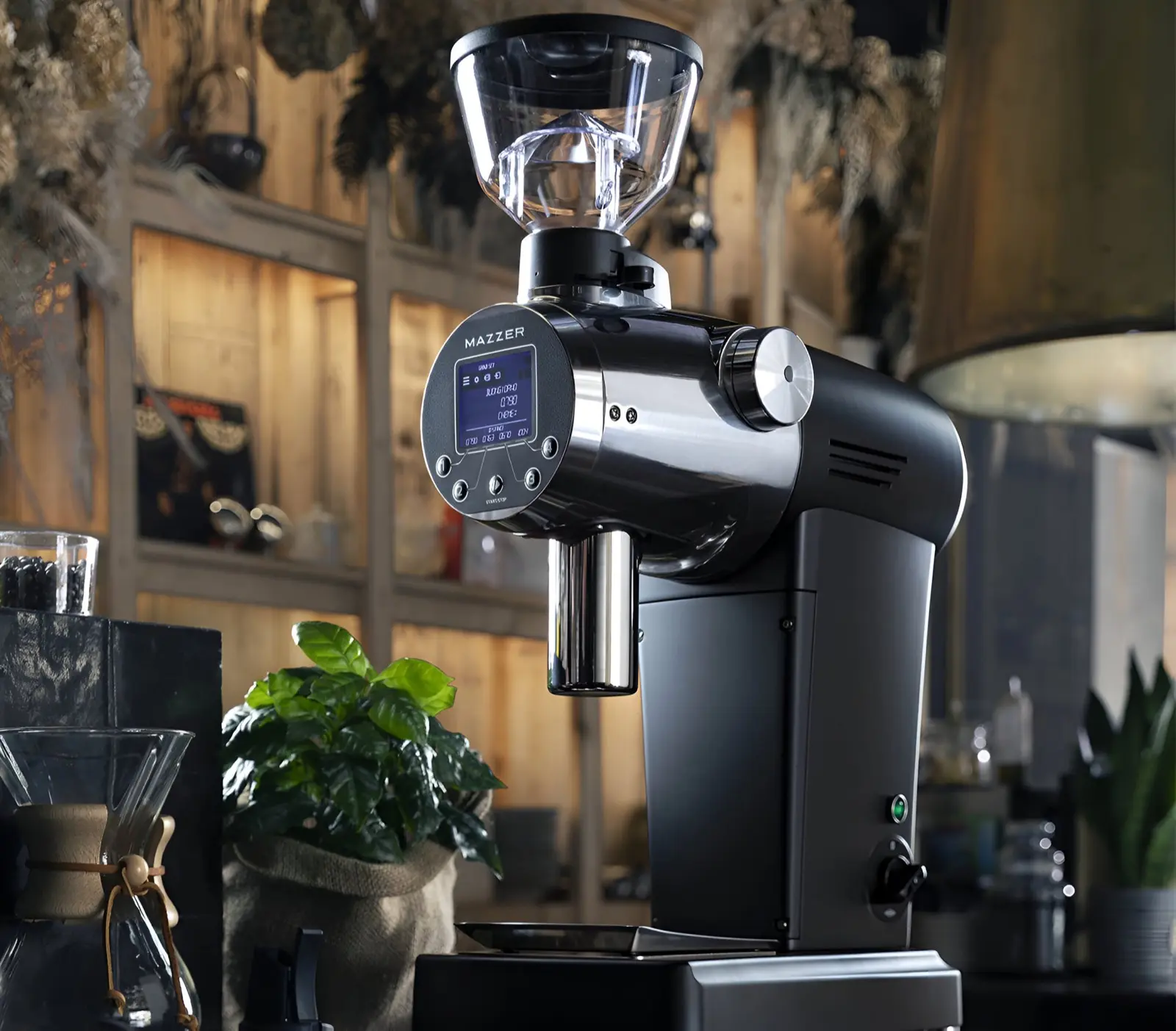
In the world of the "dry" coffee ritual, precision is synonymous with repeatability. We look at the Mazzer ZM and the Acaia Lunar.

Speciality coffee has moved beyond the "craft" phase and into the realm of metrology. The goal is no longer just a "good cup," but a repeatable, scientific extraction. The Mazzer ZM is the pinnacle of this movement. Unlike traditional grinders, the ZM uses an electronic motor to control the distance between the burrs with micron-level accuracy. This allows the barista to adjust the "particle size distribution" with a level of precision previously reserved for horology.

Brew Method Target Micron Size Tolerance Range
Espresso 200 – 300 µm ± 5 µm
V60 Pour-over 600 – 800 µm ± 20 µm
French Press 900 – 1100 µm ± 50 µm

This hardware is paired with the Acaia Lunar scale, a device that measures mass to 0.1g and flow rate in real-time. By monitoring the "Calculus of Flow," the barista can adjust their pour to ensure perfect saturation. This is the "Sacred Increment" in action: a series of micro-adjustments that result in a macro-level shift in flavour profile.

Mazzer ZM Grinder The Mazzer ZM’s digital burr alignment system, capable of adjusting the grind gap in 5-micron increments. Source: Mazzer.
[IV. Architecture] Architecture of Materiality

The Geometry of Light: Mies van der Rohe

If the National Theatre represents the honesty of weight, the Barcelona Pavilion represents the calculus of space.

Ludwig Mies van der Rohe’s Barcelona Pavilion (1929) is the definitive statement on architectural precision. It is a building where the "less" is only possible because the "more" (the engineering, the joinery, the material selection) is perfect. The Pavilion’s "free plan" relies on a series of slender, chrome-clad cruciform columns that appear to support the roof with impossible ease. This is the "Calculus of the Joint"—where the intersection of glass, marble, and steel is so precise it becomes invisible.

Material Source / Type Technical Use Case
Tevertine Tivoli, Italy Plinth and interior walling
Golden Onyx Atlas Mountains Central free-standing partition
Chrome Steel Cruciform Profile Structural "invisible" support

The Pavilion doesn't just hold space; it directs light. The use of tinted glass and reflective water surfaces creates a dynamic environment where the geometry of the building changes with the position of the sun. It is a mathematical investigation into the nature of transparency and reflection, executed with a level of material integrity that remains the gold standard for modernism.

Barcelona Pavilion The intersection of the Golden Onyx wall and the chrome-clad columns in the Barcelona Pavilion, 1929. Source: Fundació Mies van der Rohe.
[V. Style] Weaving the Future

The Tailored Line: Jil Sander’s Precision Silhouette

In fashion, precision is found in the "cut." No designer has mastered this calculus more effectively than the "Queen of Less."

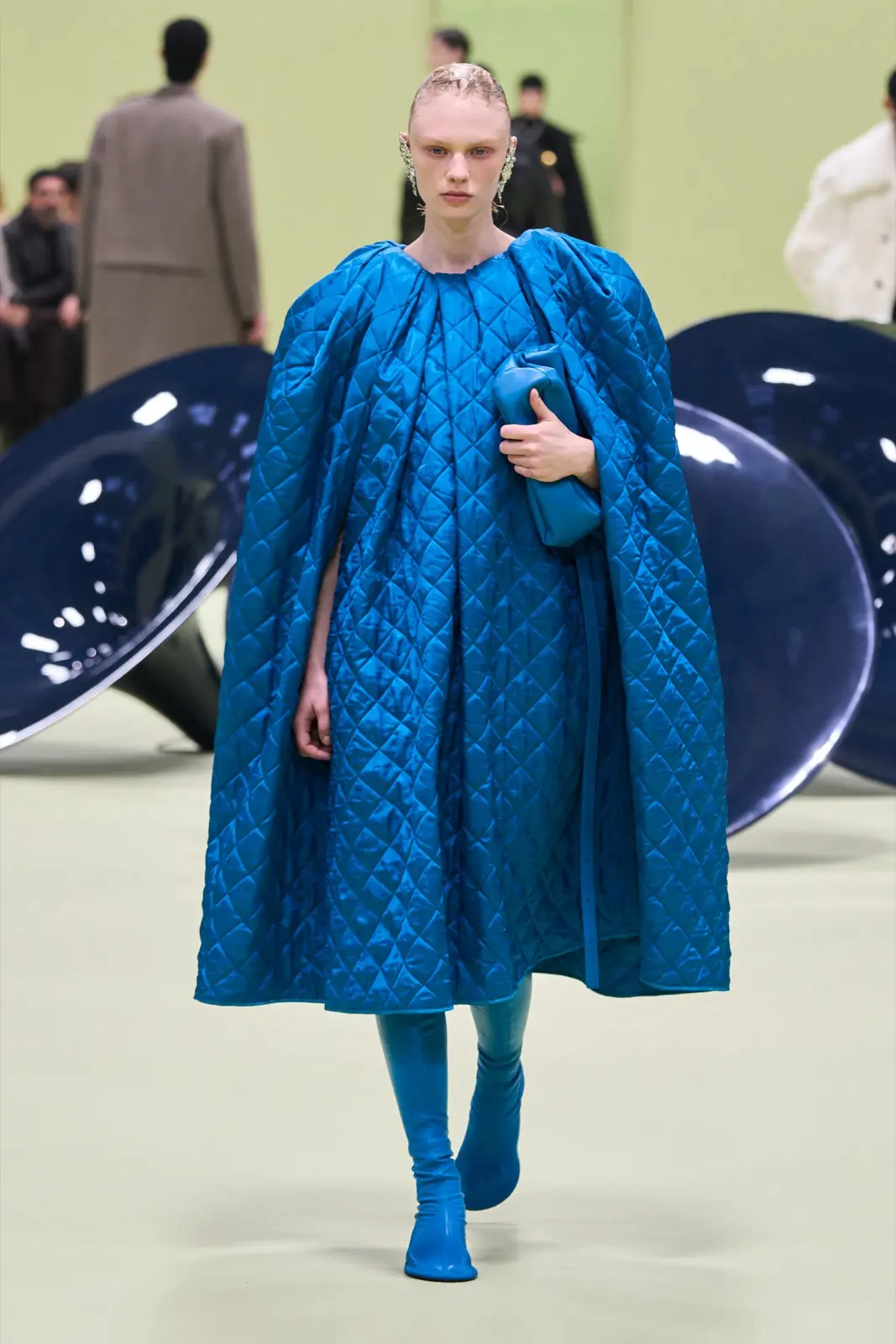
Jil Sander’s impact on the 20th and 21st-century wardrobe is one of structural reduction. Her clothes are often described as "minimalist," but this is a superficial label. Sander’s work is actually about "Architectural Tailoring." She treats the human body as a volume to be enclosed by a series of precise planes. The "Sander Silhouette" is achieved through a rigorous investigation into fabric weight and seam placement. A millimetre of variance in the shoulder line can change the entire emotional tenor of a coat.

Element Standard Tailoring Sander Precision
Seam Allowance Variable (10-15mm) Minimalist (5-8mm); often taped
Canvas Type Full Floating Canvas Bonded / Integrated Structure
Shoulder Padding Structural / Corrective Natural / Deconstructed "Viper" Line

This "Calculus of the Cut" is what gives her garments their "unstable" elegance. They appear simple at a distance, but upon closer inspection, the complexity of the engineering becomes apparent. It is a rejection of the "fast" in favour of the "fixed"—garments that are designed to endure because their geometry is fundamentally correct.

Jil Sander Campaign Jil Sander Fall/Winter 1996, showcasing the razor-sharp precision of the minimalist silhouette. Source: Jil Sander Archive.
[VII. GLOBAL FIVE] CURATED EVENTS

1–5 May 2026

01

GLASGOW, SCOTLAND: THE PRECISION OF THE LINE – MACKINTOSH RETROSPECTIVE

Hunterian Gallery

Exhibition // May 2026

A comprehensive survey of Charles Rennie Mackintosh’s architectural drawings and furniture. The exhibition highlights the 'Mathematical Grace' of the Glasgow Style and its enduring influence on modern minimalism.

02

LONDON, UK: THE DESIGN MUSEUM – AI & CREATIVITY

The Design Museum, Kensington

Exhibition // May – August 2026

This landmark exhibition explores the collaborative potential of human intuition and generative algorithms. Featuring works by Refik Anadol, it asks whether a machine can possess 'Intent' or merely 'Instruction.'

03

REYKJAVIK, ICELAND: DESIGNMARCH

Various Locations, Reykjavik

Design Festival // 3–7 May 2026

Iceland’s largest design festival, showcasing local talent from fashion to furniture. The 2026 theme, 'Lava & Logic,' explores how the country’s extreme geography informs its pragmatic and tactile design language.

04

SAN FRANCISCO, USA: SFMOMA – NEW WAVE PHOTOGRAPHY

SFMOMA

Exhibition // May 2026

An exhibition charting the evolution of photography in the age of post-truth and AI manipulation. It focuses on artists who are returning to analog processes as a form of 'Verifiable Reality' in a digital world.

05

DUBAI, UAE: ART DUBAI 2026

Madinat Jumeirah

Art Fair // May 2026

The leading international art fair for the Middle East, North Africa, and South Asia. The 2026 edition features an expanded 'Digital' section, showcasing the rise of blockchain-based art and immersive VR galleries.

Works Cited & References
  1. Mann, M. (1995). *Heat: The Definitive Guide to Digital Composition*. Warner Bros.
  2. Reich, S. (1976). *Music for 18 Musicians*. ECM Records.
  3. Mazzer, L. (2024). *The Metrology of Espresso Extraction*. Mazzer S.R.L.
  4. Sander, J. (2025). *Internal Architecture: A Retrospective*. MK&G Hamburg.
  5. Kurasu Kyoto. (2026). *The Calculus of Flow*. Kyoto University Press.
  6. Mies van der Rohe, L. (1929). *The Barcelona Pavilion: A Study in Space*. Weimar Press.