The global landscape of April 2026 is defined by a profound and increasingly visible dichotomy. On one side of the cultural spectrum, humanity is accelerating its integration with hyper-automated, artificially intelligent systems. Recent academic analyses within the field of human-computer interaction reveal a striking normalisation of "virtual intimacy". Researchers evaluating the relational interactions between humans and AI companions note that metrics of intimacy, passion, and commitment are rising dramatically. This emotional bonding is frequently facilitated by what sociologists term "sweet deception"; the programmed, algorithmic empathy that fosters deep emotional trust and interactive engagement. As affective computing and generative AI become ubiquitous, humanity's reliance on virtual relationships for social well-being and emotional support is fundamentally altering the consumer psyche.
However, this frictionless, synthetic existence has triggered a powerful counter-reaction. As our digital lives become infinitely malleable and predictively automated, a desperate, tactile yearning for analog authenticity has emerged across all luxury and lifestyle sectors. The modern consumer, exhausted by the infinite convenience of the digital realm, is actively seeking out physical friction, mechanical engagement, and undeniable geographic reality.
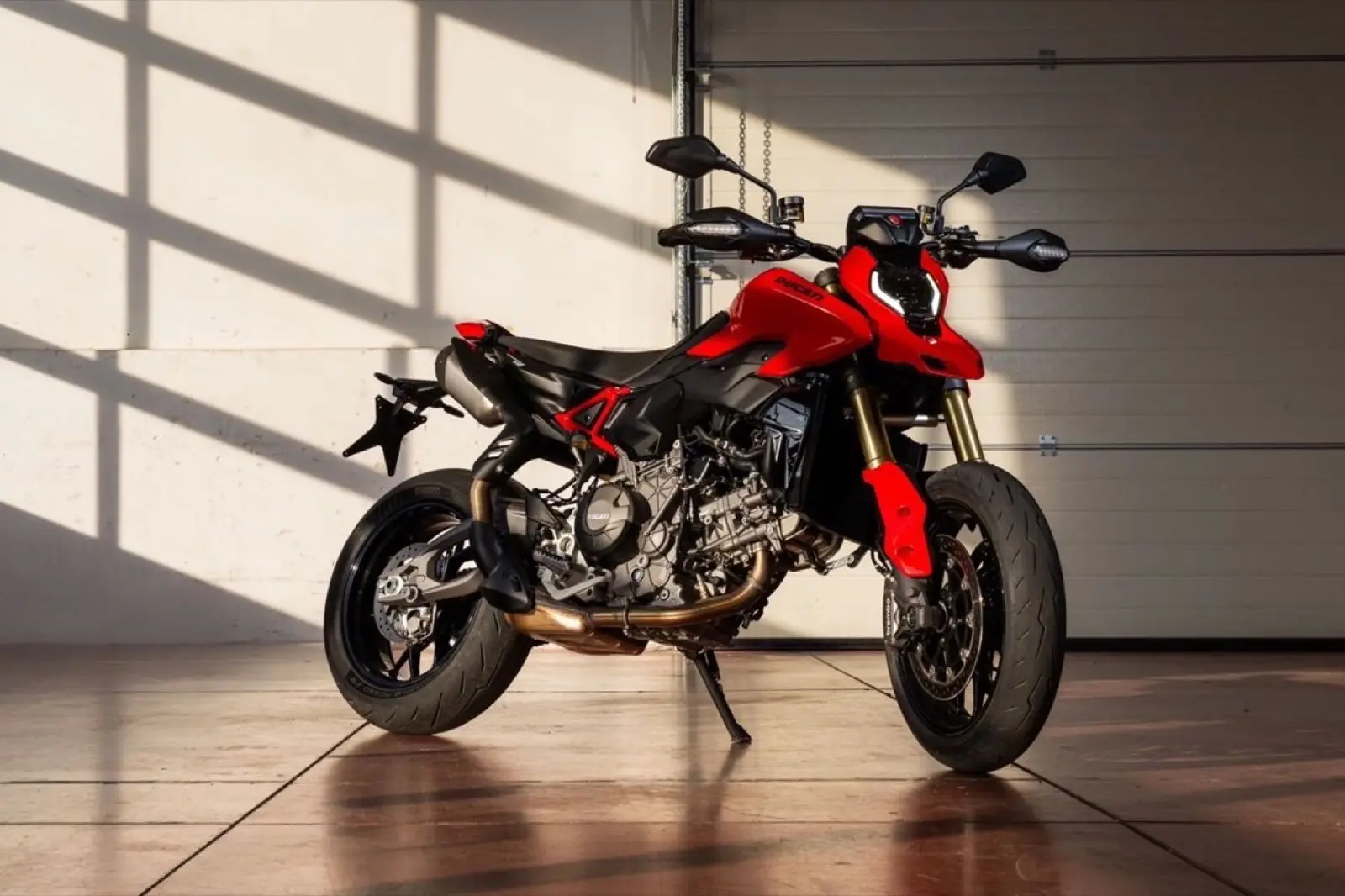
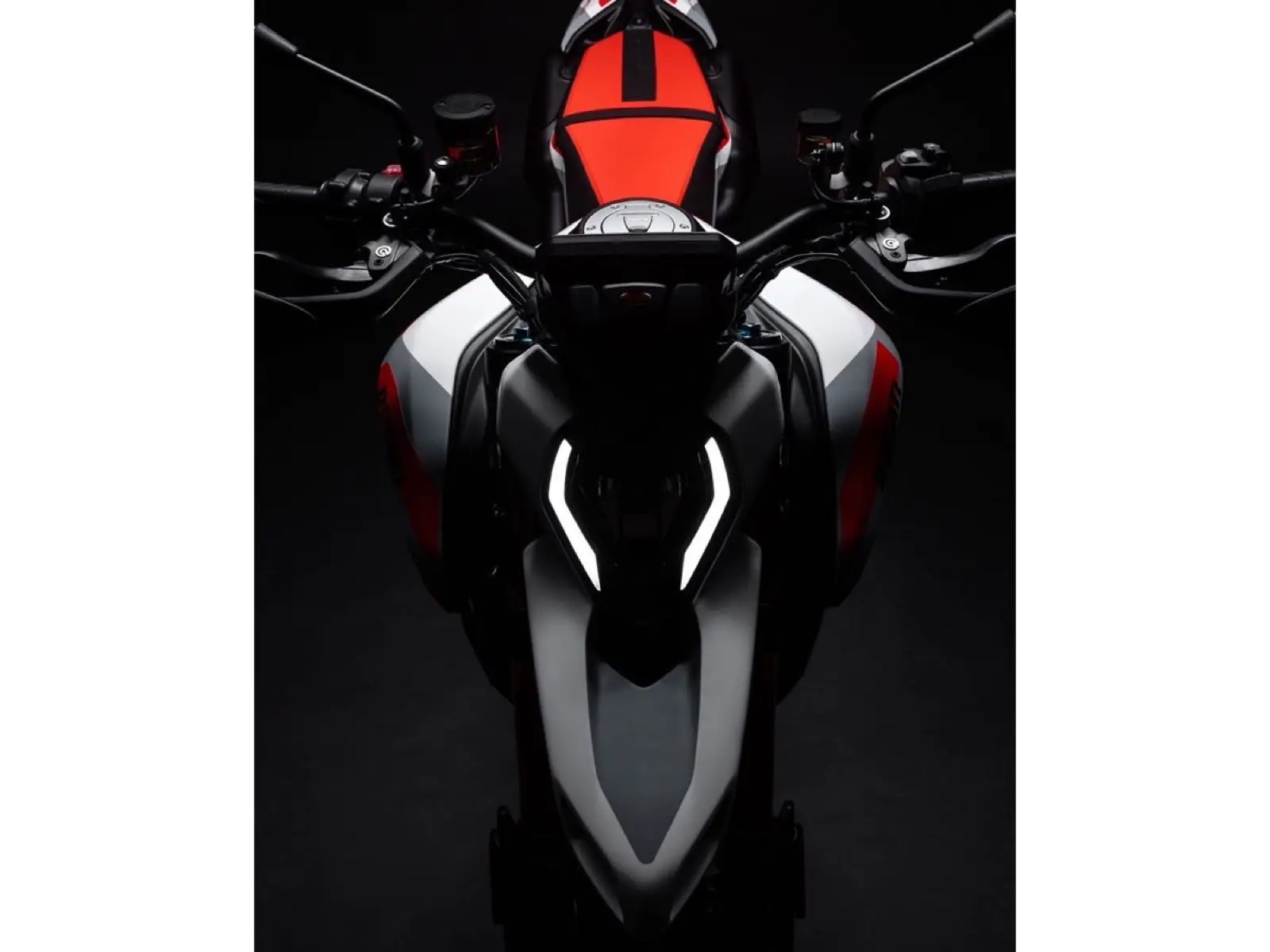
This edition of the journal explores that precise intersection, providing an exhaustive analysis of how the tension between artificial intelligence and analog reality is reshaping consumer behaviour. In travel, the focus shifts to the ancient, rugged interior of Sardinia; a destination offering a grounded, elemental alternative to the highly manufactured, overcrowded environments of typical Mediterranean hotspots. In the automotive and motorcycle sector, the analysis centres on the 2026 Ducati Hypermotard V2 SP, a machine that leverages modern engineering purely to deliver a visceral, aggressively mechanical riding experience.
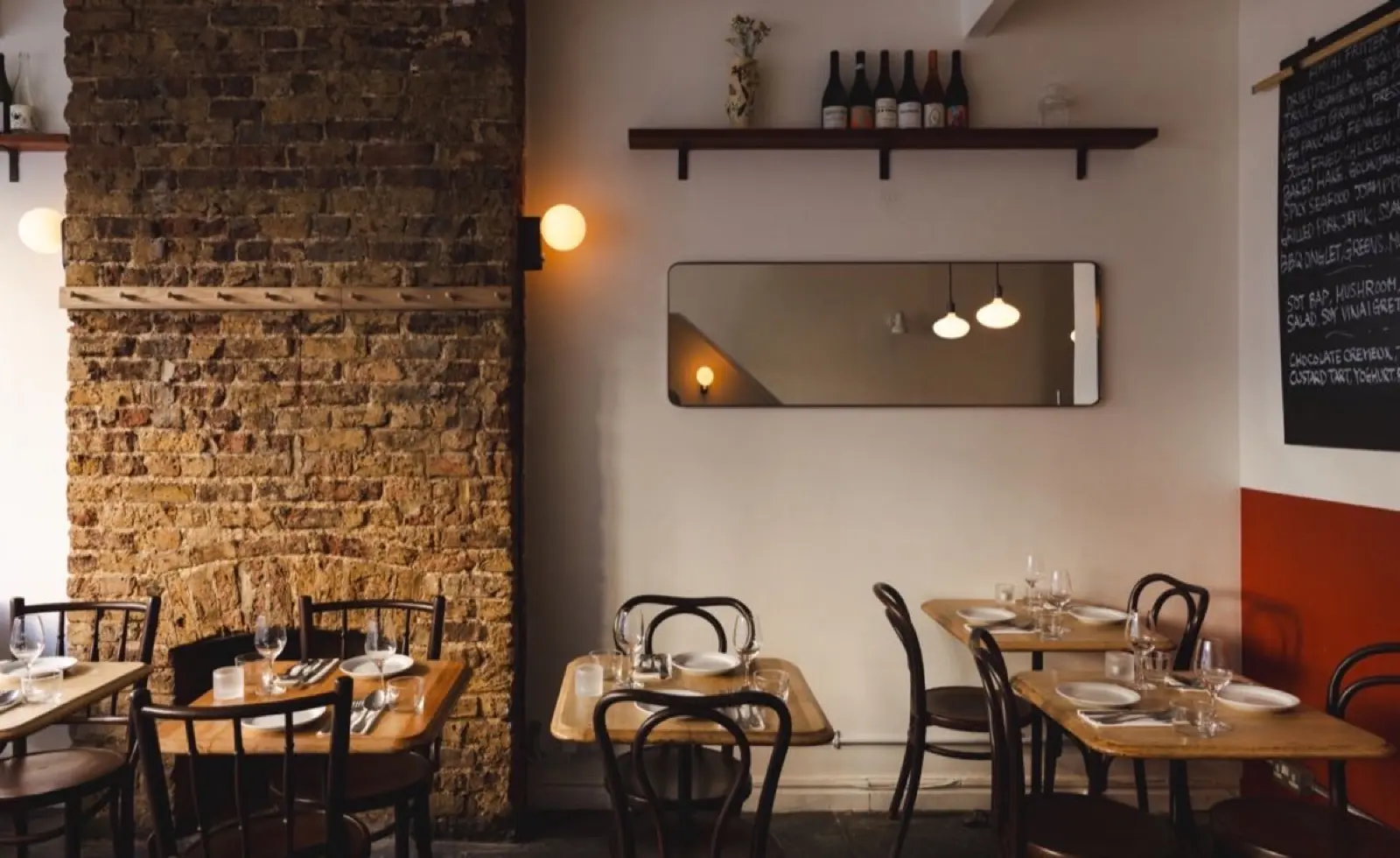
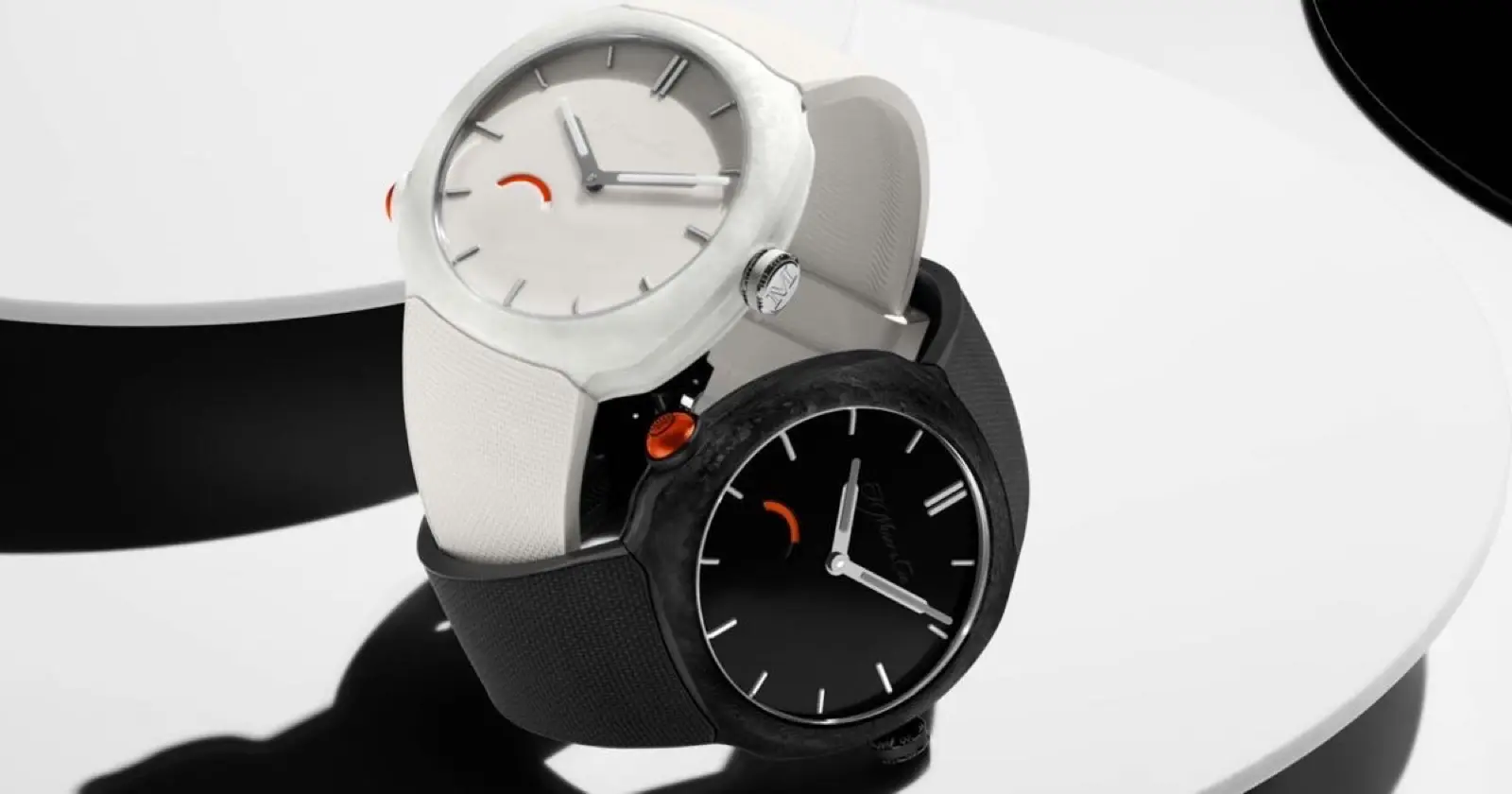
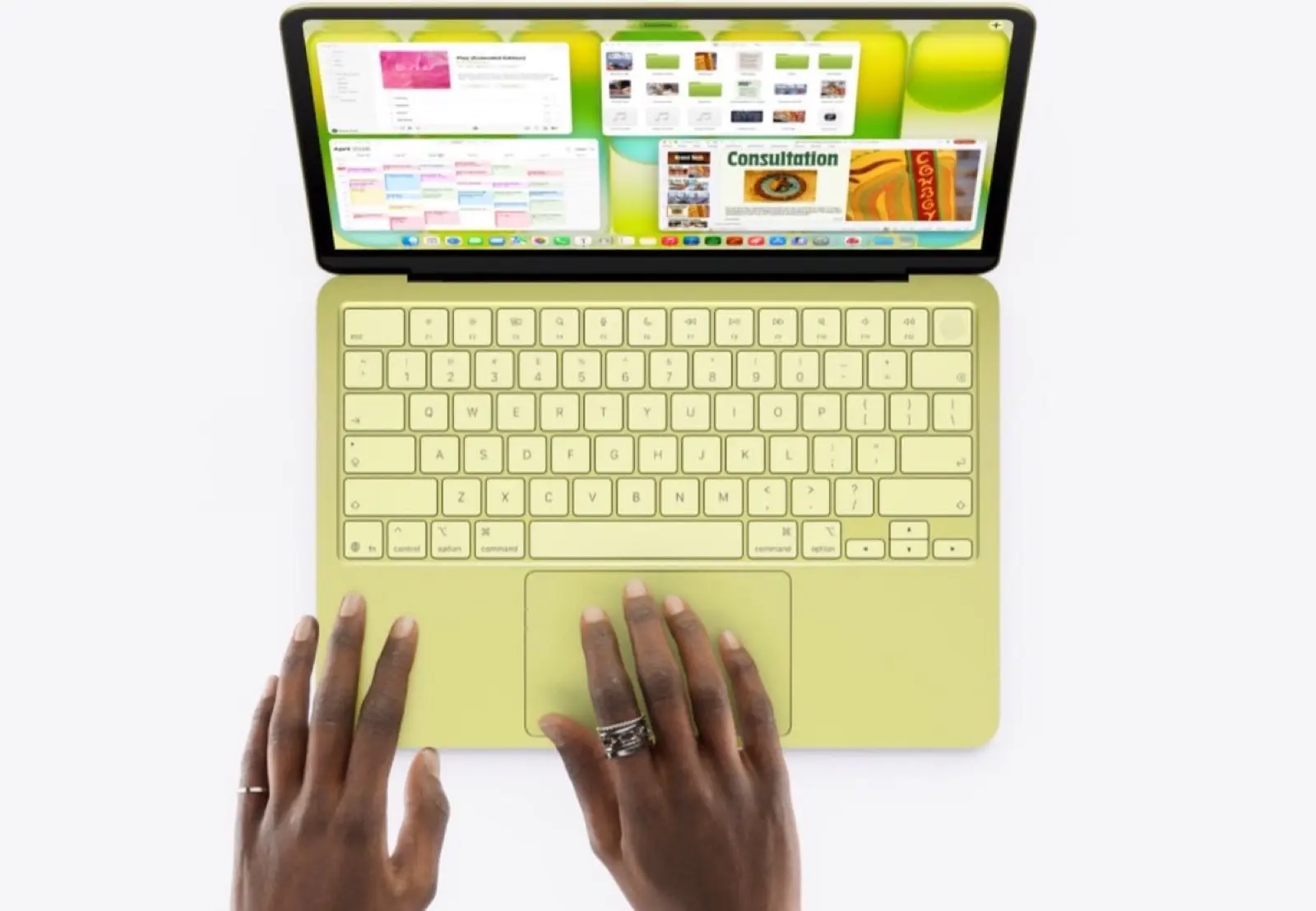
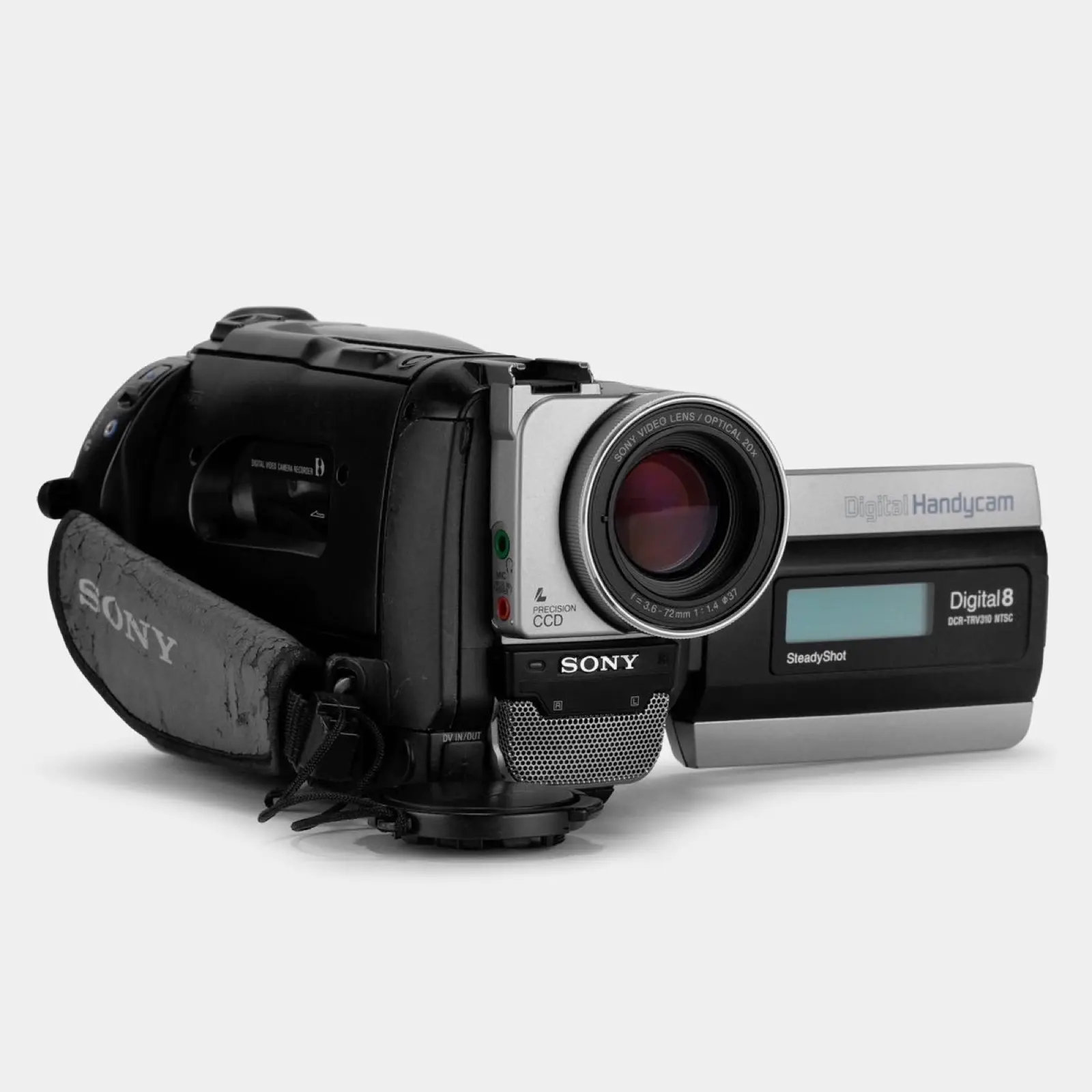
The culinary world sees this tension manifest in a pivot away from hyper-complex gastronomy toward accessible, "honest" dining, alongside a return to elemental, fire-driven cooking techniques. In horology, the independent watchmaker H. Moser & Cie. partners with Reebok to create a mechanical timepiece wound by a physical "pump," blending high-end Swiss craftsmanship with the tactile nostalgia of 1990s sneaker culture. Furthermore, the technology sector is analysed through the dual lenses of Apple’s disruptive new A18 Pro-powered MacBook Neo and the simultaneous, explosive Gen-Z obsession with vintage, tape-based camcorders.
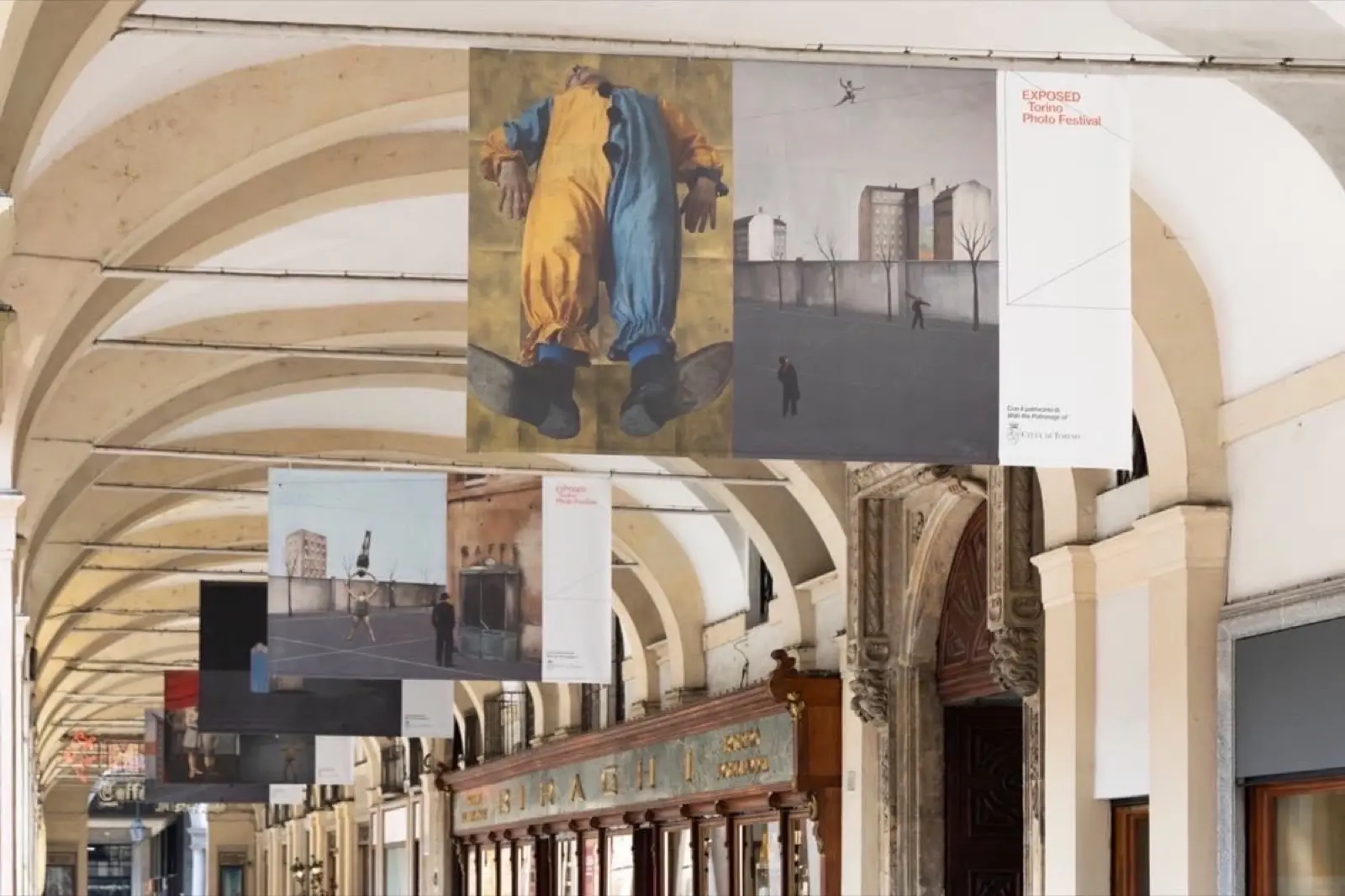
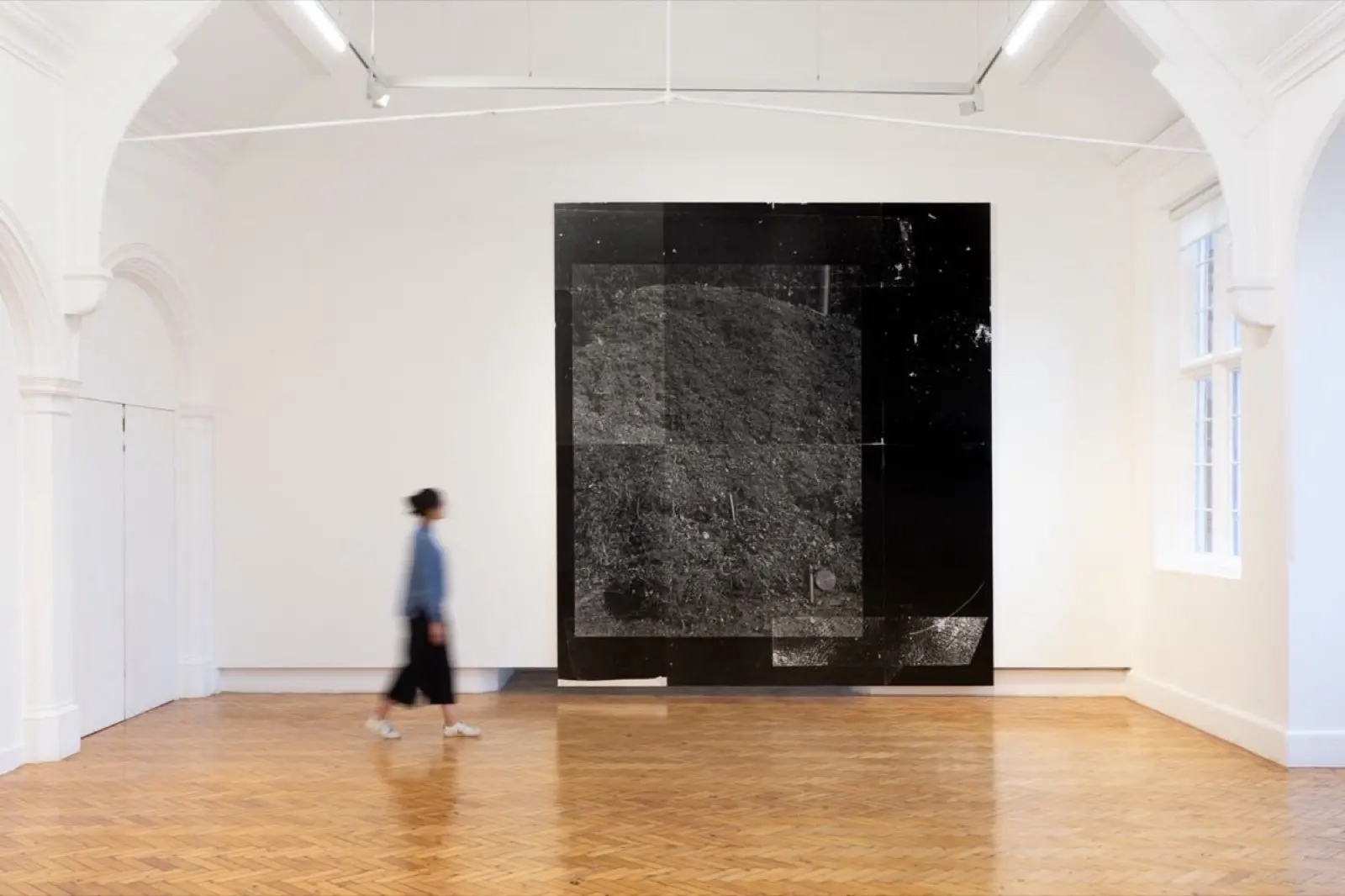
Finally, the realms of contemporary art and experiential retail reflect a similar rejection of the purely digital. Photographers are increasingly discarding digital sensors in favour of volatile chemical processes, while global retail brands are constructing highly immersive, architecturally significant pop-up spaces that serve as physical community hubs. The curation of these developments provides a nuanced understanding of the 2026 market: a consumer base that simultaneously desires the predictive ease of a wearable AI agent and the mechanical resistance of a manual winding crown.
To purchase or discover more about the items featured in this edition, direct acquisition links have been integrated throughout the analysis.
Enjoy the issue.